
 EN
EN
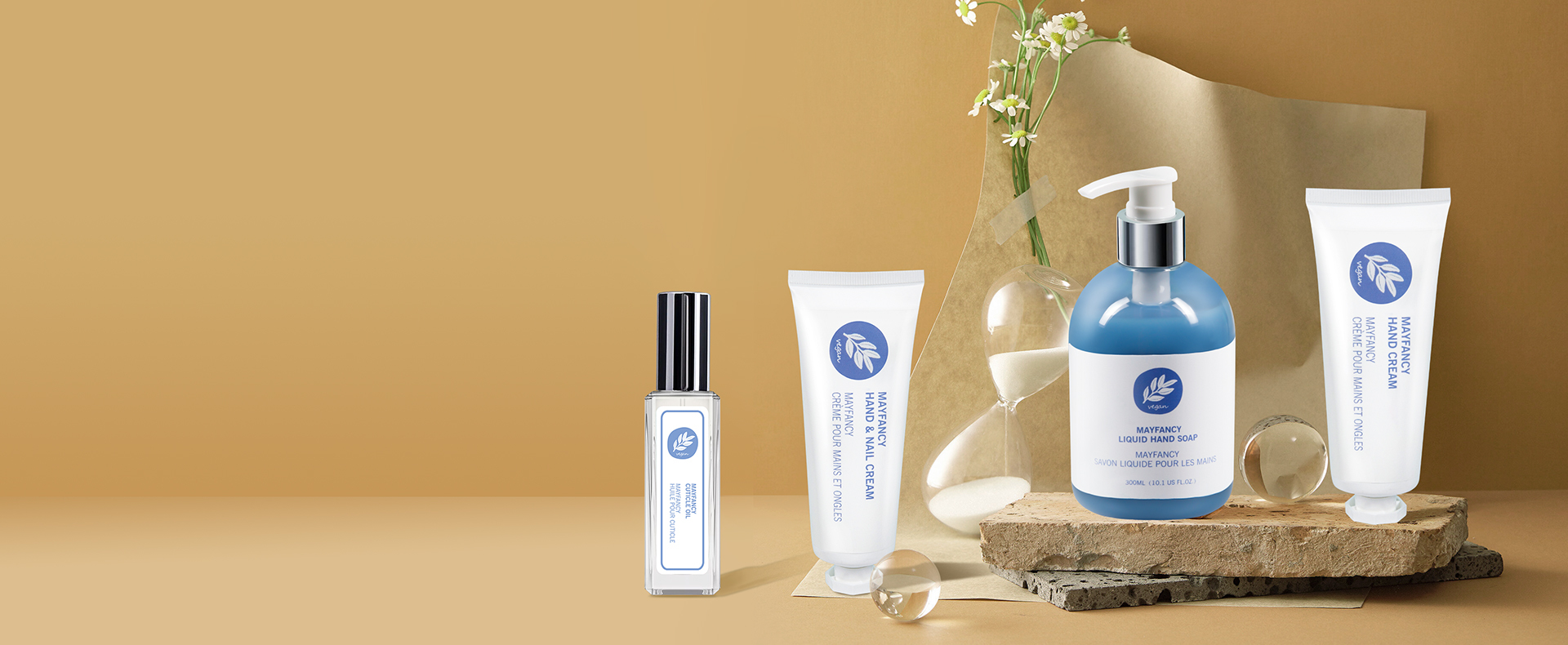
The Psychology of Scarcity in Luxury Hand Wash Consumption
How scarcity creates urgency and elevates perceived value
When there's not enough around, luxury hand wash stops being just something useful and becomes something people really want. That's why limited editions work so well. People get all worked up when they can't get their hands on something everyone else seems to have. Companies know this trick and create artificial scarcity to make folks rush out and buy stuff before it disappears. Some studies show this tactic can actually boost what people think something is worth by about 35%. Most shoppers don't even realize they're doing it, but our brains automatically connect "limited supply" with "better quality". That's why those special edition bottles look so much fancier than regular ones sitting on store shelves. And let's face it, nobody wants to be left behind while friends are flaunting their exclusive finds. So instead of just grabbing whatever soap works, people end up buying these premium products because they fear missing out on something cool.
Cognitive biases that make rarity more appealing than practicality
Our brains come pre-programmed with certain biases that really boost how attractive scarcity seems. Take the scarcity heuristic for instance. It basically makes people give higher value to things that are rare, even if they aren't particularly useful. Then there's loss aversion. People tend to worry more about missing out on something special like a limited edition beauty item than they actually enjoy having it once they do. And let's not forget social comparison theory. That's why so many shoppers go crazy for limited runs. When someone owns something scarce, it sends a message about their status and taste. All these mental shortcuts together push decisions away from thinking about how much something costs per use or how long it lasts, and instead focus on what owning it says about us. This is exactly why scarcity remains such a big factor when choosing luxury hand wash products.
Neuroscientific insights: Dopamine and the thrill of exclusive access
People get really excited about those special edition luxury hand washes because it actually lights up parts of their brains associated with rewards. When someone knows they might be one of the few to get their hands on something exclusive, their body starts producing dopamine, which gives them that exciting feeling people talk about as the thrill of hunting for rare items. Research using brain scans shows that this response gets even bigger when folks think something is hard to find, maybe around 30 percent stronger than usual. The rush from getting these products happens not just when they're trying to obtain them, but also later when they show off what they bought. That's basically how these limited collections work as little reward systems inside our heads. Which is probably why buying stuff based on scarcity feels so good emotionally, way more than just what the product does practically speaking.
Exclusivity as Status: Limited Editions as Social Currency
From bathroom to Instagram: How luxury hand wash becomes a status symbol
When limited edition versions come out, luxury hand wash goes from something people keep to themselves to something they want everyone else to see. People get really interested in showing off these special beauty products on their social media accounts. Just posting one picture on Instagram can tell others about someone's good taste and where they stand socially. Studies have found around three quarters of those who buy expensive stuff tend to put pictures of what they bought online, trying to build this image of someone successful and stylish. Posting about these things online changes regular products into something people collect, almost like little treasures for taking care of oneself. It works because getting likes feels good, and having rare items gives people status points in social circles. Regular soap just doesn't do this same thing. These limited run hand washes act as symbols that say "I'm part of this special group of people who know what's good."
Owning the rare: How limited editions reinforce luxury brand perception
The way people buy when something is scarce actually boosts how prestigious a brand feels because they control who gets what. Take those special edition hand care sets released once a year - most folks can't get their hands on them. Owning one means being part of an exclusive club, which makes the product feel even more desirable just because so few people have it. Some research suggests that when things are hard to find, we form about 30% stronger emotional connections to them compared to regular fancy stuff. This manufactured scarcity works wonders for the whole brand image too. People start thinking all their products must be worth more simply because they made some editions super rare. Luxury brands understand this well. They market basic things like hand soap not as everyday items but as pieces of art or collectibles. This transforms something we use in the bathroom daily into symbols of status that really appeal to wealthy customers looking to show off their taste and connections.
Strategic Design and Seasonal Narratives in Limited-Edition Launches
Artistic collaborations, packaging, and storytelling in seasonal hand care collections
Limited edition luxury hand washes often rely on art collaborations and seasonal themes to turn everyday products into something worth collecting. When brands team up with artists or cultural groups, they bring new ideas to both the packaging and the scents. Special releases connected to holidays or big cultural events create a sense of FOMO among customers. The designs usually come with a story behind them, maybe about summer days in Greece or holiday traditions that really connect with people on an emotional level. According to some research from McKinsey last year, around two thirds of those who buy luxury items care a lot about packaging that tells a story because it makes the product seem more valuable than just what it does. For winter collections, we see lots of cool blue tones inspired by snow and ice, while spring brings floral patterns and greens. Each new release feels like attending a special event instead of just shopping normally. Putting together these elements of design, timing, and storytelling helps build stronger brand recognition and keeps customers excited about what comes next in the line.
Driving Brand Loyalty Through Exclusive Product Experiences
Case insights: How leading luxury brands build loyalty with limited-run hand washes
When luxury brands release limited edition hand washes, they're basically turning something we do every day into something people want to collect and show off. Big name companies know this trick works because humans love what's rare. They create special collections season after season, often teaming up with famous perfumers or artists for these releases. The excitement builds when brands tell stories about where ingredients come from and design fancy packaging that looks like art. People start feeling like they belong to some secret club when they get their hands on these products. Companies keep fans engaged by posting photos from the lab where these products are made and letting owners chat with each other online. What happens next? Regular shoppers become brand ambassadors, seeing those fancy bottles not just as nice things to buy but as status symbols worth showing friends at dinner parties.
FAQ
Why do luxury brands use scarcity marketing? Luxury brands use scarcity marketing to create a sense of urgency and perceived exclusivity, making their products more desirable. The scarcity tactic can increase the perceived value of a product, prompting faster purchase decisions from consumers who fear missing out.
How do cognitive biases affect consumer buying behavior for luxury products? Cognitive biases such as the scarcity heuristic and loss aversion lead consumers to place higher value on rare items. Consumers also experience a fear of missing out and social comparison, which influence them to purchase luxury products for status and uniqueness.
What role does dopamine play in consumers' reactions to exclusive products? The release of dopamine in the brain creates feelings of pleasure and excitement when consumers anticipate acquiring exclusive products. This response is heightened when items are perceived as difficult to obtain, enhancing the thrill and emotional appeal of the purchase.
How do limited editions impact social media presence and status? Limited edition luxury products are often shared on social media platforms like Instagram, where they serve as status symbols. Posting these items online allows consumers to convey their taste and social standing, generating positive social feedback and establishing them as trendsetters.
What strategies do luxury brands use to enhance brand perception through limited editions? Luxury brands employ strategies like artistic collaborations, storytelling in product packaging, and seasonal themed releases to create an emotional connection with consumers. This approach not only boosts brand prestige but also encourages customer loyalty and repeat purchases.