
 EN
EN
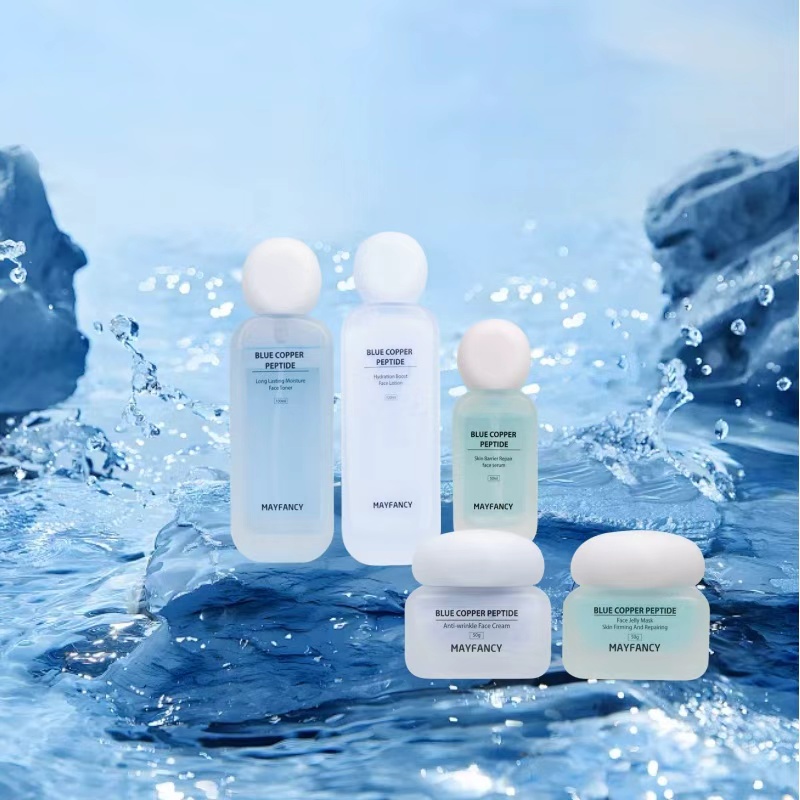
Why DTC Skincare Brands Face Elevated Fraud Risk
Card-Not-Present (CNP) and Account Takeover (ATO) Vulnerabilities in High-Trust Skincare Categories
Direct-to-consumer skincare companies rely heavily on customer trust because people want their shopping experience to go smoothly from start to finish. But there's a catch here - that same trust leaves them vulnerable in ways they might not even realize. Most online sales happen through card-not-present transactions where no one actually sees the card, making it super easy for bad actors to use stolen credit card info. Then we get into account takeovers, which are becoming a real problem. When customers save their payment information for convenience, they're basically creating treasure chests for hackers. Once someone gets into an account, they'll often buy up expensive products like those fancy anti-aging creams or luxury serums and resell them fast since the skincare market has such a strong secondhand trade. What makes this worse is all the personal stuff that gets leaked too - things like what kind of skin someone has or if they're allergic to certain ingredients can be used for identity theft long after any financial losses have been dealt with. According to McKinsey research from last year, the beauty e-commerce sector deals with almost twice as much fraud compared to other industries. So when stores talk about protecting themselves, they need to tackle both these issues at once rather than picking one over the other.
DTC-Specific Attack Vectors: Subscription Gaming, Promo Code Abuse, and Reseller Arbitrage
DTC skincare businesses face some pretty specific fraud issues beyond what most companies encounter. Take subscription gaming for instance. Scammers sign up during free trial periods using stolen credit cards, get their hands on products, and then cancel subscriptions before being charged. Another problem is when promo codes get abused by automated systems that create hundreds of fake accounts just to grab those one-time discounts. This drains marketing funds and messes up how we track real customers. There's also reseller arbitrage causing headaches. Criminals buy limited edition items at rock bottom prices through discounted offers or stolen payment methods, then sell these same products elsewhere at higher prices than the brand intended. The result? Inventory shortages and lost sales for legitimate customers. According to KPMG research from 2023, promotional abuse alone eats away around 12 to 15 percent of annual revenues for beauty brands. To combat these issues, platforms need to implement proper identity checks during checkout processes and keep an eye on unusual bulk ordering patterns if they want to maintain security in their direct-to-consumer operations.
AI-Driven Fraud Detection Tailored for Skincare DTC Workflows
Behavioral Analytics for Low-Value Test Orders and Geographic Anomalies
Scammers often test the waters when it comes to direct-to-consumer skincare sites, making tiny purchase attempts first with stolen login info before going all in on bigger attacks. The behavioral analysis tools spot these warning signs through strange activity patterns like people ordering multiple samples in quick succession from newly created accounts, or when shipping addresses don't match billing info in areas known for fraud. These systems look at tons of different transaction clues including things like device identification markers, how fast someone clicks around the site, and how long they stay logged in. Take this case study: someone buys a cheap $9 moisturizer sample right after setting up an account from behind a masked IP address via a virtual private network. According to recent research in online payment security, this kind of behavior raises the fraud alert level by about 85-90%. Getting good at spotting real threats without mistakenly flagging honest shoppers becomes especially important during busy holiday periods or when big sales events are happening.
Scalable ML Models That Learn from Skincare Purchase Patterns and Customer Lifetime Signals
The machine learning algorithms used in skincare commerce keep getting smarter as they process all sorts of transaction data related specifically to skin care products. Think about things like when people tend to subscribe to acne treatment programs or why there are always those sudden surges in demand for certain serums during particular seasons. The models look at what customers buy over time alongside other indicators of their value to the business, such as how often they interact with the company or leave product reviews. This helps tell genuine loyal customers apart from folks trying to game the system by buying up limited edition items they never actually want to use themselves. A well known luxury brand saw its chargeback problems drop by nearly two thirds once it started using these advanced models to catch suspicious bulk orders of popular retinol products coming from completely new accounts with no history whatsoever. These kinds of systems work better than old fashioned rule based approaches because they adjust themselves automatically as fraudsters come up with new tricks. They manage to keep false declines below half of one percent while still protecting online sales channels against bad actors.
Layered Prevention: Authentication, Encryption, and PCI-DSS Compliance
Secure Checkout Foundations: Tokenization, End-to-End Encryption, and SSL Best Practices
Getting payment security right begins with some basic but essential protocols. When we talk about tokenization, what we're really looking at is replacing those sensitive credit card numbers with special codes generated through algorithms during actual transactions. This means the real Primary Account Numbers never get exposed in the process. Then there's end-to-end encryption, which basically scrambles all that customer info right from when someone enters their details until it gets processed somewhere else. This helps stop anyone trying to intercept the data mid-transmission. Throw in those mandatory SSL/TLS certificates that protect data while it's moving across networks, and suddenly we've got ourselves something close to a true zero trust setup. Direct-to-consumer skincare companies, particularly ones dealing with monthly subscription boxes or expensive beauty products, need these protections because otherwise fraudsters could just sit back and collect login credentials by exploiting weaknesses in the checkout process.
Risk-Based Authentication at Account Creation and High-Risk Checkout Events
Smart authentication systems adjust based on what's happening around them. When something looks fishy, like someone creating multiple accounts super fast or ordering products shipped overseas, multi-factor authentication kicks in automatically. Regular customers who shop often don't get stopped much at all, but when a session raises red flags, extra checks pop up - think fingerprint scans or those temporary codes sent to phones. Finding that sweet spot between keeping things secure and not driving people away matters a lot for beauty brands online. Research shows every extra step added to checkout makes about 18% more people abandon their carts according to Baymard Institute last year. And let's not forget about PCI-DSS requirements either. These rules force companies to keep tight control over who gets access and log everything properly, which helps protect against those nasty credential stuffing attempts that plague direct-to-consumer skincare businesses.
Operationalizing DTC Skincare Fraud Prevention
Getting DTC skincare fraud prevention up and running properly means building these protocols right into everyday operations without messing up normal sales. First things first, set up some smart rules in the fraud detection system. Look at stuff like how many small orders come from the same place or when someone's IP address doesn't match their shipping location. These flags help spot risky skincare transactions before they become problems. For identity checks at checkout, automate what we can but keep humans in the loop for really sketchy cases that hit certain risk thresholds. Customer service folks need training too. They should watch out for telltale signs of fraud such as people asking for super fast shipping or accounts with conflicting information. Create clear procedures for reporting anything suspicious. The models themselves need regular tweaking based on actual chargeback data and those pesky false positives we all get tired of seeing. Systems must stay ahead of new threats like promo code abuse schemes. Finding the sweet spot between security and good customer experience is key. Let regular customers through smoothly but ask for extra verification when there are big purchases or address changes happening. Keep an eye on weekly fraud stats, especially looking at how much chargebacks drop and what our approval rates look like. This helps show the business value and keeps the DTC platform growing securely over time.
FAQ
Why are DTC skincare brands more susceptible to fraud?
DTC skincare brands are more susceptible to fraud because they rely heavily on online transactions, particularly card-not-present purchases. Customer trust and saving payment information for convenience create vulnerabilities, such as account takeovers.
What are DTC-specific attack vectors?
DTC-specific attack vectors include subscription gaming, promo code abuse, and reseller arbitrage. These tactics exploit offers and discounts to commit fraud and interfere with legitimate transactions.
How can AI-driven fraud detection help skincare brands?
AI-driven fraud detection helps skincare brands by analyzing behavioral patterns and geographical anomalies, allowing them to identify suspicious activities before they escalate. Machine learning models learn from purchase patterns, improving accuracy in identifying genuine customers.
What authentication measures should be implemented?
Authentication measures like risk-based authentication, multi-factor authentication, and following PCI-DSS compliance should be implemented to secure accounts and checkout events, minimizing the risk of fraud.