
 EN
EN
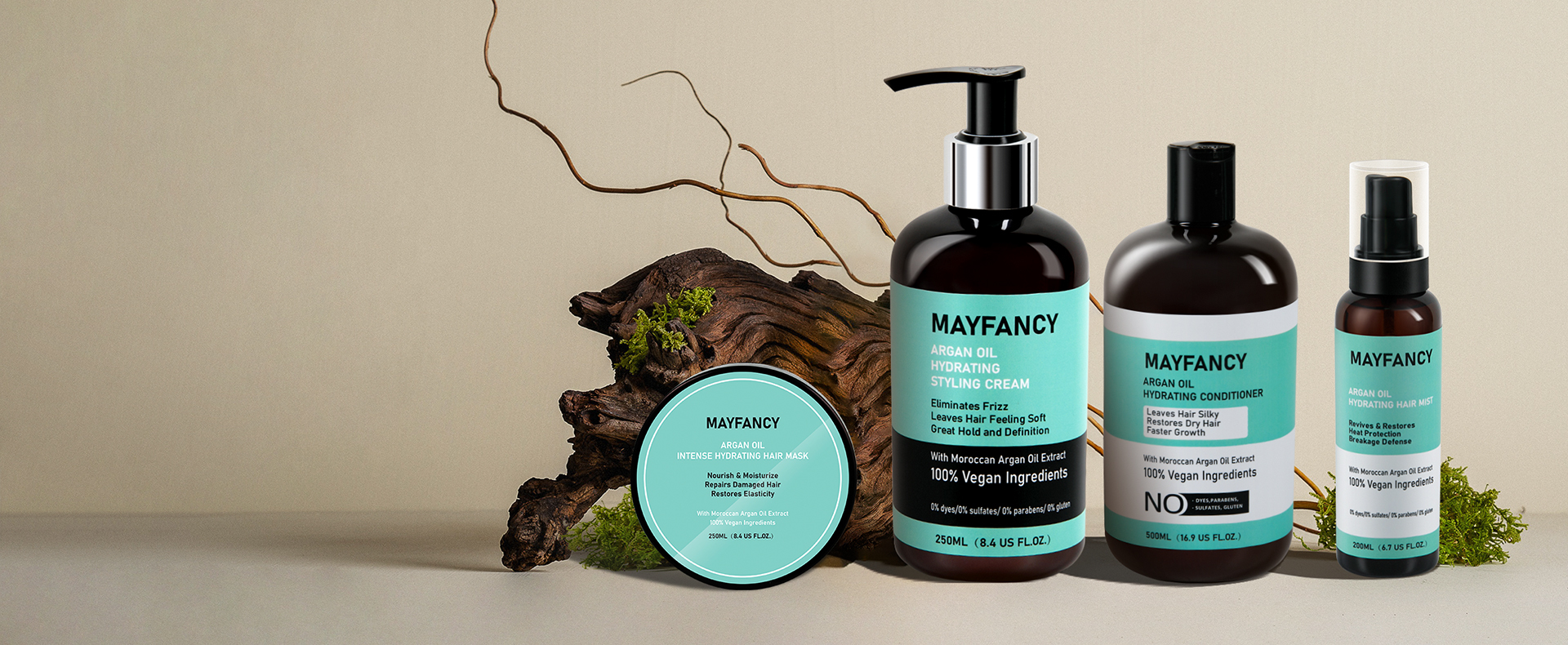
Why Emotion, Not Just Ingredients, Drives Moisturising Shampoo and Conditioner Choices
Feelings-as-Information Theory: How Emotional Cues Override Technical Specs
When picking out hair products, most people go with what feels good rather than what looks good on paper. This is actually backed up by something called feelings-as-information theory in psychology circles. Basically, our brains take shortcuts based on how things feel while using them. Think about the rush we get from that super rich lather or the way certain shampoos seem to instantly soothe an itchy scalp. These physical reactions become our quick judges of whether something works or not. Reading through all those technical details about pH balance or humectants takes real brainpower, whereas sensory feedback gives instant pleasure that people tend to believe without question. The beauty industry knows this well enough. According to recent market research, products that highlight words like calming or nourishing sell better than ones focused purely on clinical benefits, with a 34 percent higher rate of customers coming back for more (as noted in Haircare Consumer Insights 2023). So even though ingredient labels might list fancy chemicals, once someone starts experiencing the actual feel and smell of a product, those written details usually fade into the background.
Hedonic Dominance: Why 'Silky Feel' and 'Calming Scent' Outrank pH or Humectant Lists
Moisturizing shampoos are largely chosen based on hedonic factors, with texture and scent influencing about three quarters of premium product purchases according to recent sensory studies. People aren't just looking for basic cleaning anymore; they want their shower time to feel like self care. Many shoppers hunt for products that promise things like light hydration without weighing hair down or soothing tight scalps, while others gravitate toward lavender scents that help them unwind during their daily routine. Product tests back this up too. When given identical formulas but different textures, around two thirds of testers said the silkier versions felt "more moisturizing" even though the actual ingredients were exactly the same (Journal of Cosmetic Science 2024). Even how the packaging feels matters a lot. Bottles with matte finishes or products that pour out smoothly send signals of luxury right from the start. All these sensory cues build strong brand loyalty because consumers simply prefer what feels good over what technically works best most of the time.
Self-Care Rituals as Emotional Anchors in Daily Haircare
Dry Scalp Anxiety and the Comfort-Seeking Impulse
When people experience physical discomfort from their hair, what starts as basic grooming turns into something much deeper emotionally. About 40 percent of folks deal with chronic scalp dryness according to a study published in Dermatology Review back in 2023. The constant flaking and tight feeling doesn't just bother them physically but actually causes real anxiety too. Our bodies respond to this kind of discomfort by triggering those old fashioned comfort seeking instincts. That's why when choosing products, the promise of relief becomes so important emotionally. People tend to grab whatever offers quick soothing effects, whether it's the actual ingredients or just the ritual itself. Think about how many times someone will spend extra minutes massaging in that hydrating formula because it feels good on their skin. This explains why marketing claims like "12 hour relief" or "moisture that reduces stress" hit home better than all those technical details manufacturers love listing. For many, washing hair isn't just about cleanliness anymore. It has become a form of therapy, taking care of both the outer layer of skin while also providing a sense of inner calm and security.
Sensory Indulgence and the 'Quiet Luxury' Appeal of Moisturising Formulas
Sensory experiences go way beyond just working well they actually forge emotional bonds that keep people coming back. Think about how nice it feels when conditioner glides through hair like silk, or that little hit of jasmine scent when opening a new product. These small pleasures turn everyday routines into something special without breaking the bank. We're seeing this fit right into what's happening in the market lately lots of folks are gravitating towards simple luxury instead of flashy stuff. Products that feel good on skin tend to make us happy inside too, kind of like nature's own mood booster. Combine that with clean looking packages and earthy smells, and suddenly basic skincare becomes part of something bigger than just cleaning up. People start treating their morning routine not just as hygiene but as time for themselves worth cherishing.
Trust, Security, and Loyalty Built Through Emotional Resonance
When people form emotional bonds with their hair care routines, what starts as simple washing turns into something much more significant. Many customers link certain shampoos and conditioners to real feelings of comfort, like when they finally find relief from an itchy scalp or notice their hair feels noticeably softer each time. Studies indicate that folks who connect emotionally with products tend to buy them again and again, often telling friends about them too. These shoppers care less about technical details and more about whether a brand fits how they want to see themselves during self-care moments. The reason behind this loyalty? Simple really. People keep coming back because they remember those good sensations - the rich lather that feels so satisfying, the pleasant smells that calm them down, and watching their hair get healthier week after week. This creates what marketers call "ritual stickiness" but basically means once someone trusts a product, they rarely look elsewhere. Hair care companies that focus on providing consistent comfort build real communities around shared ideas about taking care of oneself and feeling good about life's daily grind.
How Brands Strategically Leverage Emotional Drivers in Moisturising Shampoo and Conditioner Marketing
From Ingredient Transparency to Empathetic Storytelling
These days, smart companies are focusing more on heartwarming stories than listing ingredients when they promote their moisturizing shampoos and conditioners. Sure, people still want to know what's in their products, but studies indicate that folks really resonate with tales about taking care of themselves and finding relief from that pesky dry scalp. Instead of bombarding customers with long lists of chemicals, modern advertising tells stories everyone can relate to, like how someone goes from having frizzy hair to feeling confident and smooth before a big meeting or date night. Neuromarketing research actually backs this up showing around 47 percent boost in customer loyalty because these stories tap into how people feel about soft hair instead of just talking about what the product does technically. When companies present their moisturizing formulas as something that empowers individuals and makes daily routines feel special, they turn regular buyers into passionate fans who genuinely love the brand.
Packaging, Scent, and Texture as Silent Emotional Triggers
Beyond messaging, brands engineer sensory experiences to subconsciously activate emotional drivers in moisturising shampoo and conditioner purchases. Consider these silent persuasion tactics:
| Sensory Element | Emotional Trigger | Consumer Response |
|---|---|---|
| Velvet-textured bottles | Tactile luxury | 68% perceive higher product value (Sensory Marketing Journal 2023) |
| Lavender-vanilla scents | Calming association | 3x longer usage retention in stress relief routines |
| Weighted pump dispensers | Ritual satisfaction | 41% increase in premium-tier perception |
These design choices bypass cognitive processing to directly stimulate pleasure centers, transforming ordinary haircare into holistic confidence through healthy hair experiences. When textures mimic silk and scents evoke spa-like tranquility, products become emotional staples rather than utilitarian commodities.
FAQ
Why do people choose moisturizing shampoos based on feel rather than technical specifications?
People often choose moisturizing shampoos based on feel because of the feelings-as-information theory. This theory suggests that emotional responses and physical sensations, such as a rich lather or soothing scent, are immediate and compelling. They often guide decisions more effectively than detailed technical information.
What is "hedonic dominance" in the context of hair care products?
Hedonic dominance refers to consumers' preference for the sensory experience provided by a product, such as its feel and scent, over other factors like technical benefits. In hair care, this means that features like a silky feel and calming scent can take precedence over ingredient specificity.
How do self-care rituals impact shampoo and conditioner choices?
Self-care rituals elevate daily routines by incorporating emotional and sensory indulgence, providing a sense of inner calm and security. This emotional connection often drives the choice of hair care products, transforming a mundane task into a therapeutic experience.
How do brands leverage emotional drivers in their marketing strategies?
Brands leverage emotional drivers by focusing on empathetic storytelling and sensory triggers, such as packaging, scent, and texture, to create an emotional bond with consumers. These strategies transform their products from mere commodities into cherished parts of self-care rituals.
Table of Contents
- Why Emotion, Not Just Ingredients, Drives Moisturising Shampoo and Conditioner Choices
- Self-Care Rituals as Emotional Anchors in Daily Haircare
- Trust, Security, and Loyalty Built Through Emotional Resonance
- How Brands Strategically Leverage Emotional Drivers in Moisturising Shampoo and Conditioner Marketing
- FAQ