
 EN
EN
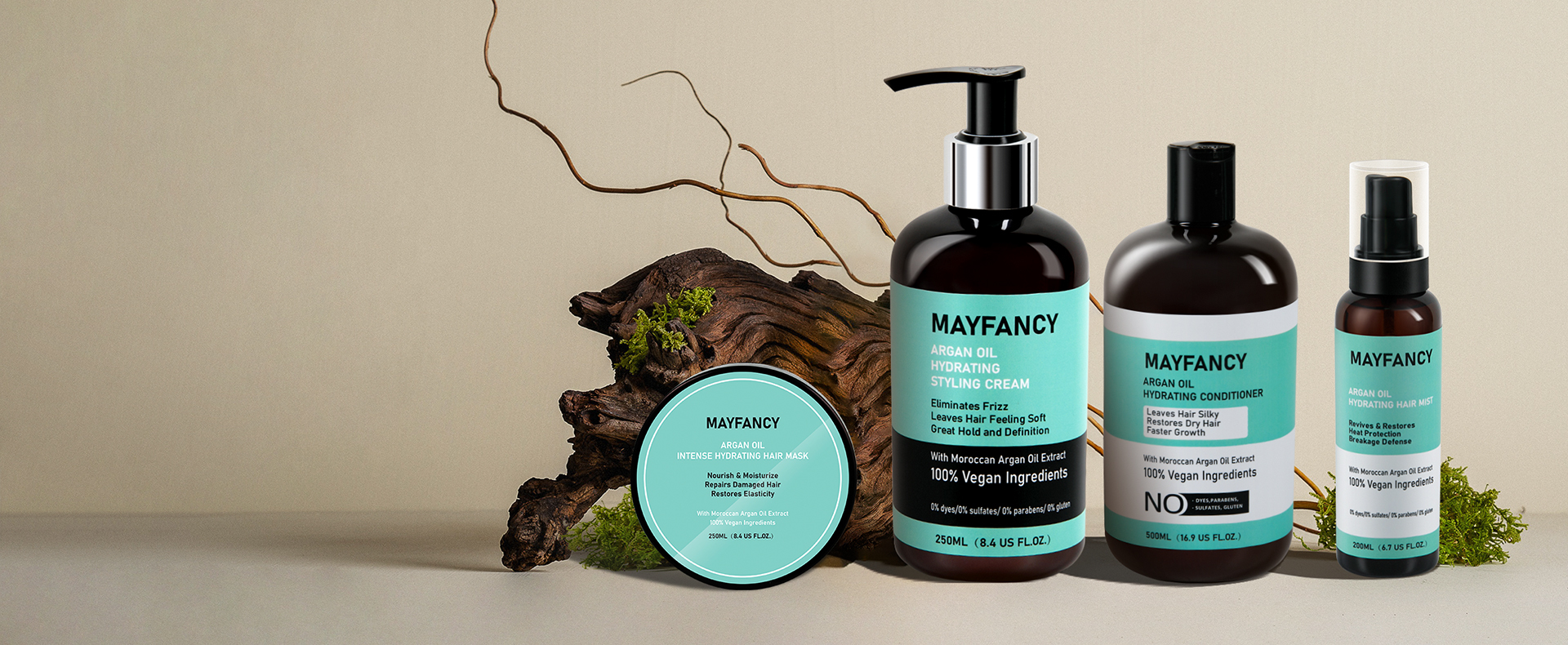
What 'Clean Label' Really Means for Hair Loss Shampoo and Conditioner
Defining clean label in B2B hair care: sulfate-free, paraben-free, silicone-free, and beyond
Hair loss treatments labeled as "clean" focus on safe ingredients and clear labeling by removing certain chemicals altogether. Most brands now leave out sulfates such as sodium lauryl sulfate, parabens, and silicones because these can really bother sensitive scalps and might actually make hair fall out worse. The industry has moved beyond just those basics too. These days, many formulations skip PEG compounds which absorb moisture from the skin, avoid synthetic fragrances that often contain allergens, and steer clear of anything that releases formaldehyde over time. According to research published last year in the Dermatological Safety Journal, around three quarters of people struggling with thinning hair reported less redness and itching once they switched away from products containing sulfates. For cleaning power without all the negatives, manufacturers turn to gentler options like glycoside surfactants. These work well enough to create good lather while being kinder to the scalp overall.
INCI transparency, vegan certification, and regulatory alignment (EU Cosmetics Regulation, FDA, Health Canada)
When companies provide complete INCI listings, it helps build consumer confidence because people can actually check what's in their products and track potential allergens. Getting third party vegan certification means independent experts have verified there are no animal ingredients like keratin or biotin present, which is important for those following strict ethical guidelines. Products labeled as clean also tend to follow major regulations around the world. These include restrictions set by the EU Cosmetics Regulation, requirements from the FDA regarding OTC active ingredients, and standards established by Health Canada for natural health products. Meeting these different rules isn't just about paperwork - it ensures that products stay safe and compliant wherever they're sold globally.
Clinically Relevant Botanical and Bioactive Ingredients for Hair Loss Support
Evidence-backed actives: caffeine, niacinamide, rosemary oil, and zinc pyrithione for follicle stimulation and anti-shedding
The best clean label shampoos and conditioners for hair loss actually contain ingredients backed by real research. Take caffeine for instance it works against DHT, which is bad news for hair follicles because it causes them to shrink over time. Then there's niacinamide that helps blood flow better on the scalp so nutrients can reach where they need to go. Some people might be surprised to learn about rosemary oil too. Studies from around 2015 showed folks using it regularly saw about 10 more hairs per square inch after half a year. And let's not forget zinc pyrithione either. This stuff cuts down on scalp inflammation by roughly 20 something percent when dealing with those pesky recurring issues, mainly because it tackles problems with bacteria balance. That makes it pretty essential for anyone looking for safe scalp treatments that actually work and show real improvements.
Complementary naturals: pumpkin seed oil, marine algae, and inulin for scalp barrier integrity and microbiome balance
Pumpkin seed oil is packed with omega 3 fatty acids, about 45% of which comes from linoleic acid, and helps build up the scalp's protective layer against all sorts of environmental damage. Marine algae brings important minerals like magnesium and iodine into the mix, which are pretty crucial for making healthy keratin. Then there's inulin, which works as a kind of food for good bacteria on the scalp. This stuff can actually increase those helpful microbes by around 30%, helping keep the scalp at the right pH level and cutting down on hair loss caused by inflammation. When combined, these natural components create what many dermatologists would agree is a solid vegan friendly approach that really sets the stage for new hair growth to happen naturally.
Scalp-First Formulation: pH Optimization and Microbiome-Friendly Cleansing
Why scalp pH 5.0–5.5 is non-negotiable for clean-label hair loss shampoo conditioner efficacy
Our scalps naturally sit around a pH level between 5 and 5.5, which helps keep the skin barrier intact and supports healthy bacteria growth. When products throw this balance off, it messes with ceramide production in the skin layers below. That makes the scalp more vulnerable to bad bacteria and fungi, often leading to irritation and even more hair loss than usual. For clean beauty products to work properly without causing further damage, they need to respect this natural acidity. Otherwise all those fancy active ingredients just won't penetrate right or deliver their promised benefits while leaving the scalp defenseless against things that can contribute to thinning over time.
Gentle, high-foaming natural surfactants (e.g., coco-glucoside, decyl glucoside) that preserve microbial diversity
Sulfates tend to wash away those protective lipids and mess with good bacteria on the scalp, but plant based surfactants like coco glucoside and decyl glucoside actually create nice lather without damaging the natural balance. What makes these biodegradable cleansers special is their ability to pick up dirt and grime without wiping out all the microbes that keep our scalps healthy. Some research indicates that using these gentler options can cut down on inflammation signs by around two thirds when compared against regular surfactants. That's why many people looking for cleaner products are turning to formulas containing these ingredients, especially since they tackle some underlying issues behind hair thinning problems.
Balancing Clean Label Integrity with Proven Hair Loss Performance
Creating good clean label shampoos and conditioners for hair loss means finding the right mix between pure ingredients and what actually works. When formulas swap out sulfates, parabens, and silicones for plant-based stuff like coco-glucoside, this helps cut down on scalp irritation which we know can lead to too much hair falling out. Adding ingredients like niacinamide and rosemary oil really goes after the health of individual hair follicles. Keeping the scalp at around pH 5.0 to 5.5 is important because it helps maintain the skin's protective barrier and keeps the little ecosystem on our heads balanced, which reduces inflammation related hair loss. Clear ingredient lists show there are no hormone messers (endocrine disruptors) present and meet standards from places like the EU, FDA, and Health Canada, so people can trust what they're putting on their scalps. At the end of the day, these products need real testing to prove they reduce shedding, making sure natural solutions deliver both safe treatment options and actual results for folks looking for something that works without toxic chemicals.
FAQ
What does "clean label" mean in the context of hair care products?
"Clean label" in hair care refers to products formulated without harmful chemicals like sulfates, parabens, and silicones. These products focus on safe, transparent ingredients and often adhere to regulatory standards set by authorities like the EU, FDA, and Health Canada.
Why is pH balance important in hair care products?
The natural pH balance of the scalp is between 5.0-5.5. Maintaining this balance helps protect the scalp from harmful bacteria and fungi, reducing the risk of irritation and further hair loss. Hair care products should respect this natural acidity to be effective.
What are some effective ingredients for hair loss prevention in clean label products?
Effective ingredients include caffeine, which combats DHT, niacinamide for improved blood flow, rosemary oil for hair density, and zinc pyrithione for reducing scalp inflammation. Complementary naturals like pumpkin seed oil and marine algae also support scalp health.
How do clean label products differ in surfactants used?
Clean label products use gentle, plant-based surfactants like coco-glucoside and decyl glucoside. These create foam without stripping the scalp of protective lipids or upsetting microbial balance, unlike harsher sulfates.