
 EN
EN
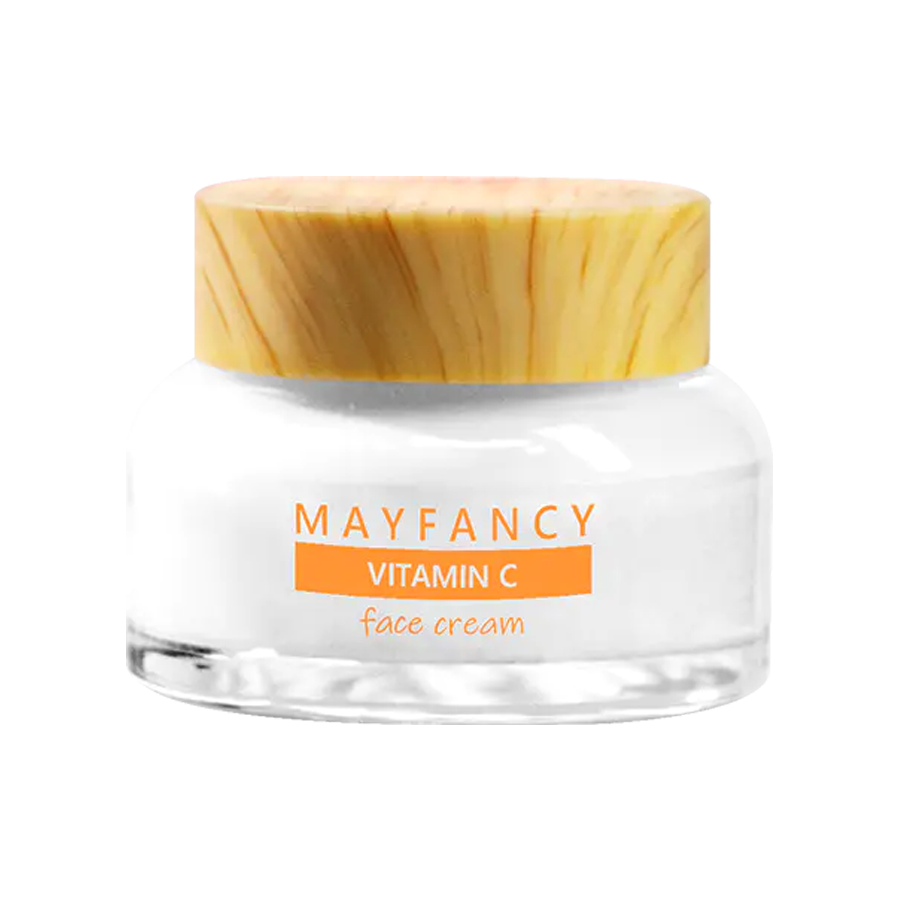
The Science Behind Inclusive Formulation for Oily Skin
How Sebum Regulation, Barrier Integrity, and Melanin Interact Across Skin of Color
People with oily skin often notice different patterns depending on their ethnicity because our bodies handle melanin and skin barriers in unique ways. Darker skin tends to have more melanin packed in, which actually means it loses moisture faster through the skin surface and reacts more strongly to those typical acne products we all know about. Sebum production helps keep the skin protected, but what kind of oil gets made varies between skin types, so oily skin shows up differently for everyone. Research indicates that skin with lots of melanin might get irritated around 25% more than lighter skin when hit with strong ingredients, which explains why gentle formulas matter so much these days. When looking for a good moisturizer that works across different skin tones, finding something light that won't clog pores but still packs ceramides makes sense. This combination helps calm redness, controls shine, and keeps everything running smoothly without messing up the delicate balance of healthy skin.
Why 'Oiliness' Is Not a Uniform Biological Trait — Debunking the Homogeneity Myth
Oily skin isn't something that fits everyone the same way. It actually depends on genetics, hormones, and where someone lives, and these things change from place to place. The sensitivity to androgens, those hormones that make our skin glands produce oil, varies quite a bit between different ethnic backgrounds. Take East Asians for example their faces tend to get oily mainly around the nose and forehead area. But Mediterranean folks might notice oil spreading out more evenly across their face. Humidity levels in the air also matters a lot, especially for darker skin tones. When there's too much moisture, oils can oxidize faster, leading to dark spots after pimples heal. All these differences show why generic oil control products just don't work well for everyone. Good skincare needs to consider what works best for specific regions and skin types. Formulas should match both genetic tendencies and local weather conditions if we want truly effective, fair treatment options for all skin types.
Key Features of a Truly Inclusive Oily Skin Moisturizer
Matte-Finish Hydration That Supports Barrier Repair Without Irritation
The best moisturizers for most skin types provide a matte finish while helping repair damaged skin barriers. Many oil-free products contain ingredients such as hyaluronic acid which pulls in moisture without blocking pores. Ceramides and niacinamide work together to reinforce the skin's natural defenses against water loss and keep things balanced at the surface level. These lightweight formulas get absorbed quickly without leaving behind any sticky film, so they won't cause breakouts even on combination or acne-prone skin. The modern approach combines hydration with protection, moving away from old school thinking that suggests stripping oil from oily skin is somehow better. Instead, maintaining proper moisture levels actually helps control excess oil production later on, something particularly important for people with sensitive skin tones.
Clean, Non-Comedogenic Ingredients Proven Safe for Sensitive and Melanin-Rich Skin
Inclusive formulations rely on non-comedogenic, clinically tested ingredients that are gentle yet effective for reactive and hyperpigmentation-prone skin. Key actives include:
- Niacinamide (3–5%): Reduces sebum production and improves uneven tone
- Zinc PCA: Provides oil control without compromising barrier integrity
- Ethically sourced squalane: Offers lightweight occlusion that mimics natural skin lipids
- Botanical extracts (aloe, licorice root): Calm inflammation and support healing in acne-prone skin
Mineral oils, silicones, and synthetic fragrances are avoided—ingredients known to trigger folliculitis or irritation in skin of color. Third-party allergy testing ensures safety and efficacy across diverse genetic backgrounds, making clinical validation a cornerstone of trustworthy product development.
Beyond the Jar: Equity in Development, Testing, and Representation
Ethnobotanical Actives and Ethically Sourced Oils Tailored for Diverse Oily-Skin Subtypes
Inclusive skincare really brings together plant knowledge from around the world by incorporating traditional botanicals that have been used for generations. Take African baobab oil for instance it works wonders at balancing oil production on darker skin tones without blocking pores. Then there's Centella asiatica from Southeast Asia which calms redness and builds up skin strength especially helpful for folks dealing with breakouts. The good stuff here comes from ethical sources and is super pure, so no unnecessary additives that might irritate sensitive skin. When companies blend ancient practices with today's scientific understanding, they create products that honor where these ingredients come from while addressing how different skin types actually work. This approach makes skincare more accessible and fair for everyone.
Clinical Trial Gaps and the Urgent Need for Inclusive Efficacy & Safety Data
The skincare industry's progress gets stuck because most clinical research lacks real diversity. Dermatology journals report that less than 20 percent of cosmetic trials actually test products on skin of color. When researchers miss out on these populations, problems arise. Ingredients considered safe for fair skin sometimes cause dark spots or redness on darker complexions. Products designed to control oil work well on Caucasians but tend to fall short when used by Asians or Blacks. Companies need to broaden their testing practices to cover different types of oily skin. They should look at how well products keep skin hydrated, whether they clog pores, and if they irritate across various ethnic groups. Until we get solid data from diverse participants, brands will continue making empty promises about inclusivity while failing to create truly safe, working, and fair skincare solutions for everyone.
FAQs
Why should skincare formulations for oily skin be inclusive?
Inclusive formulations are crucial because they account for the diverse ways oily skin manifests among different ethnic backgrounds, considering factors like genetics, hormones, and environmental conditions.
What are the key ingredients to look for in oily skin moisturizers?
Key ingredients include niacinamide, zinc PCA, ethically sourced squalane, and botanical extracts like aloe and licorice root, which offer hydration and barrier protection.
Why is clinical trial diversity important in skincare product development?
Diverse clinical trials ensure that products are safe and effective across different skin types and tones, avoiding adverse reactions and ensuring inclusivity.