
 EN
EN
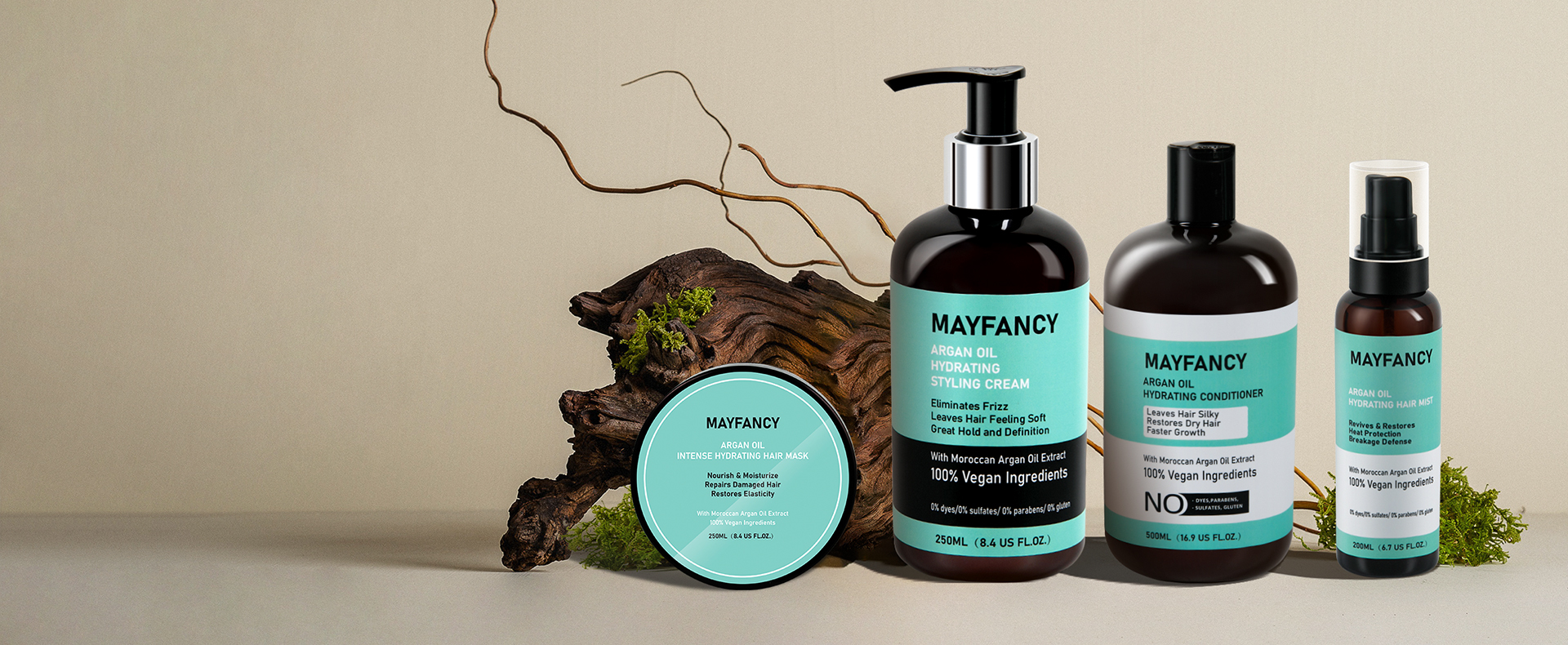
Why Shampoo and Conditioner Supply Transparency Matters
People want to know what goes into their shampoo and conditioner these days. According to Nielsen research, around 7 out of 10 shoppers worldwide would actually change brands if they knew another company was doing things right ethically. That means hair product companies need to track where their ingredients come from or risk losing customers. Transparent supply chains help tackle all those questions consumers have about where stuff comes from, how it's made, and what happens to the environment during production. The beauty industry is feeling this pressure pretty hard lately as awareness grows about sustainability issues in manufacturing processes.
When companies show what goes on behind the scenes, it really matters to younger shoppers like Gen Z and Millennials who want proof their products are sustainable. Transparency helps businesses stay compliant with all those regulations out there, including stuff like EU Cosmetics rules and FDA guidelines, because they can actually track where things came from. Brands that tell their whole story about where ingredients come from, how they extract plants, and what happens before the product hits store shelves tend to build stronger customer relationships based on honesty. On the flip side, companies hiding what's happening in their supply chain might find themselves in trouble when workers' rights issues pop up or when there's some kind of contamination problem that gets exposed.
Ultimately, end-to-end supply chain visibility transforms shampoo and conditioner from commodities into purpose-driven purchases. It empowers conscious consumption while giving brands a tangible way to demonstrate ESG (Environmental, Social, and Governance) commitments.
How Blockchain Powers End-to-End Shampoo and Conditioner Supply Transparency
Blockchain tech creates a digital record book that follows ingredients all the way from where they come from to when they hit store shelves. The system makes hair care products traceable because it records every step along the supply chain path, such as how natural oils get extracted or how companies check if materials were ethically sourced, all stored permanently with timestamps. Take argan oil for instance. When it travels from those cooperatives in Morocco to actual factories, the quality checks and temperature readings just pop onto the blockchain automatically. This kind of full view across the entire supply chain stops fraud dead in its tracks since anyone trying to mix in fake stuff or lie about being sustainable would basically be fighting against math. Companies that have implemented these anti-fraud systems for tracking raw materials say their audit processes speed up by around 30 percent according to Cosmetic Compliance Journal from last year. Meanwhile regular shoppers can now scan QR codes on packaging to see exactly where their products came from thanks to these digital passports.
Immutable Ledger Tracking: From Natural Oils to Bottled Products
The blockchain ledger documents critical transitions:
- Raw material verification at origin farms using IoT sensors
- Batch processing records during emulsification and blending
- Quality control checkpoints before bottling
This chronological trail ensures coconut oil labeled "cold-pressed" maintains temperature compliance throughout transit. Any deviation triggers alerts, enabling real-time intervention while creating auditable proof for regulators.
Smart Contracts for Automated Compliance and Handoff Verification
Self-executing smart contracts validate 70+ regulatory requirements automatically. When a pallet of shea butter reaches a factory, its embedded RFID chip triggers:
- Certificate authentication against EU Cosmetics Regulation databases
- Contamination screening via lab test cross-referencing
- Payment release to suppliers upon confirmation
This eliminates manual paperwork, reducing processing time by 15 days per shipment (Global Beauty Tech Report 2024). Each verified handoff becomes a permanent link in the chain, building ethical sourcing credibility.
Real-World Impact: Trust, Traceability, and Consumer Engagement
QR-Enabled Transparency: Letting Customers Scan Shampoo Bottles for Full Ingredient Histories
Shampoo bottles with QR codes let customers check where their ingredients really come from using blockchain verification. When someone scans one of these codes, they can follow the journey of things like coconut oil or shea butter all the way from farms that meet ethical standards right through to the final bottle sitting on store shelves. Many beauty buyers want this kind of transparency now, especially after hearing so much about greenwashing in recent years. The ability to see exactly what goes into their hair products helps stop fake ingredients from getting mixed in, and turns what was once just another trip to the supermarket into something that builds actual trust between brands and their customers over time.
Building Credibility with Gen Z and Millennials Through Verifiable Ethical Claims
The younger generation wants real proof when companies talk about being green. According to the Gen Z Beauty Survey from 2024, nearly nine out of ten people don't trust those eco-friendly labels unless there's something concrete backing them up. That's where blockchain comes in handy. The technology creates records that can't be changed, so brands can show exactly where their ingredients come from and prove they weren't tested on animals. Brands that actually put this kind of verification system in place tend to get customers back more often. We're talking around 40 percent more millennial shoppers coming back for seconds because they prefer seeing actual evidence rather than just catchy marketing slogans. And let's face it, when people know what goes into their products, they stick with brands that walk the talk instead of just talking about it.
Regulatory Alignment and Operational Benefits for Beauty Brands
Meeting Global Standards (EU Cosmetics Regulation, FDA, ISO 22716) via Blockchain Audit Trails
Navigating complex global beauty regulations demands bulletproof documentation. Blockchain technology for shampoo and conditioner supply chains creates permanent digital audit trails that automatically verify compliance at every production stage. These immutable records provide regulators with transparent proof of:
- Ethical raw material sourcing
- Temperature-controlled ingredient handling
- Adherence to ISO 22716 manufacturing protocols
- FDA-compliant labeling practices
Manual systems are just asking for mistakes, but when companies switch to blockchain verification, they save about 40% on audit prep work and still comply with those strict EU rules about listing every single ingredient in cosmetics products. The time saved translates directly into lower compliance expenses too, since there's no need for expensive recalls thanks to constant quality checks happening behind the scenes. Beauty companies are starting to see blockchain not just as something regulators want them to do, but actually as a tool that gives them an edge over competitors. When brands can back up their marketing claims with actual digital proof from the blockchain ledger, customers trust them more, which makes getting into new markets across borders much smoother overall.
FAQ
Why is transparency important for shampoo and conditioner brands?
Transparency is crucial as consumers want to know the sources of ingredients, how products are processed, and the environmental impact. It builds trust and aligns with ethical practices, which is essential for attracting customers, especially from younger generations.
How does blockchain technology aid in supply chain transparency?
Blockchain creates a permanent, traceable record at every stage of the supply chain. It ensures authenticity, tracks ethical sourcing, and provides consumers and regulators with verifiable product histories.
What role do QR codes play in transparency?
QR codes on product packaging allow customers to access detailed ingredient information and sourcing history, enhancing trust and confidence in the brand's ethical claims.
How does blockchain technology benefit regulatory compliance?
Blockchain offers immutable audit trails that automatically verify compliance with global beauty regulations, reducing documentation errors and preparation time.