
 EN
EN
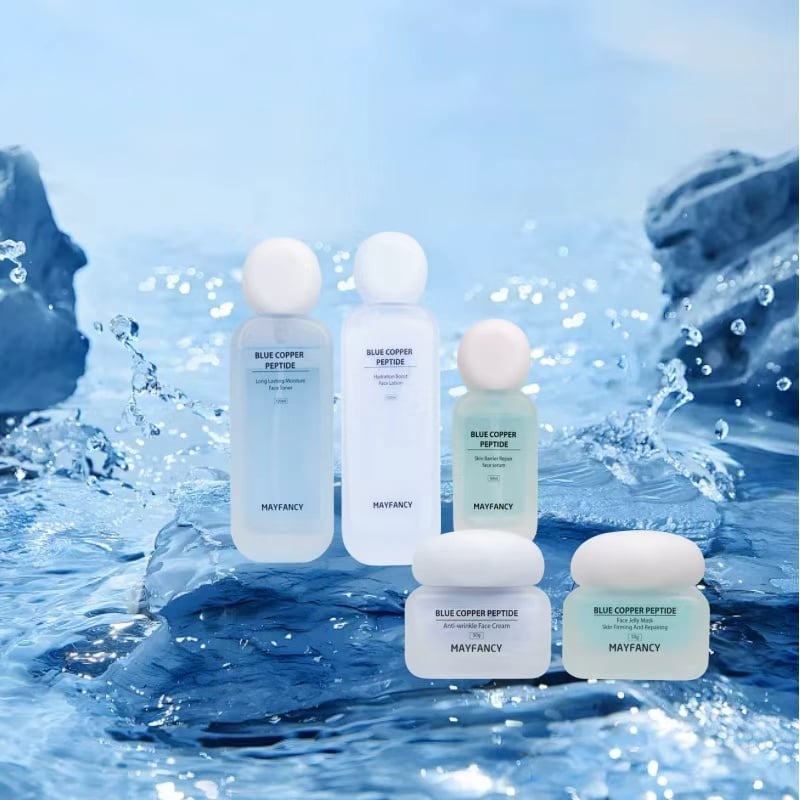
Understanding Temperature Sensitivity in Night Cream Formulations
Key Ingredients at Risk: Retinoids, Peptides, and Ceramides
Most night creams contain powerful ingredients like retinoids, peptides, and ceramides that help fight signs of aging. But these components are actually pretty delicate when it comes to temperature changes during transport or while sitting on store shelves. Retinoids start breaking down quickly once temperatures go over 25 degrees Celsius (about 77 Fahrenheit), which means they become less effective and might even irritate skin. Peptides also struggle when exposed to heat above this point, basically falling apart and failing to support collagen production properly. On the colder end, ceramides can turn solid at around 10 degrees Celsius (50 Fahrenheit), messing with how well the cream mixes together, feels on the skin, and delivers those beneficial molecules to where they're needed most. For best results, night creams should really stay between roughly 15 to 22 degrees Celsius (59 to 72 Fahrenheit). That sweet spot keeps all those fancy ingredients working as intended without getting damaged.
How Heat and Cold Exposure Degrade Efficacy: Insights from Stability Studies
Testing shows that when temperatures fluctuate, they can actually cause permanent changes in both chemical and physical properties of skincare products. Take retinoids for example at around 30 degrees Celsius or 86 Fahrenheit, about 40 percent of them start breaking down after just two days because oxidation speeds up so much. Then there's the issue with freeze thaw cycles which messes up peptide rich emulsions causing phase separation. According to studies published in reputable journals, this leads to roughly 60% less effectiveness against wrinkles. Another problem happens when ceramides crystallize from being too cold. This affects how well the product spreads and gets absorbed into skin even if it looks fine on the surface. What makes this really concerning is that most people won't notice.
FAQ Section
What temperature range is ideal for storing night creams?
The ideal temperature range for storing night creams is between 15 to 22 degrees Celsius (59 to 72 Fahrenheit) to maintain the efficacy of key ingredients like retinoids, peptides, and ceramides.
How does heat affect retinoids in night creams?
Retinoids start breaking down once temperatures exceed 25 degrees Celsius (77 Fahrenheit), resulting in reduced efficacy and potential skin irritation.
What happens to peptides when night creams are exposed to temperature fluctuations?
Peptides degrade when exposed to temperatures above 25 degrees Celsius (77 Fahrenheit), leading to reduced collagen production support. They may also experience phase separation during freeze-thaw cycles.
Can ceramides be affected by cold temperatures?
Yes, ceramides can turn solid at temperatures around 10 degrees Celsius (50 Fahrenheit), affecting the cream's texture and ability to deliver beneficial molecules to the skin.