
 EN
EN
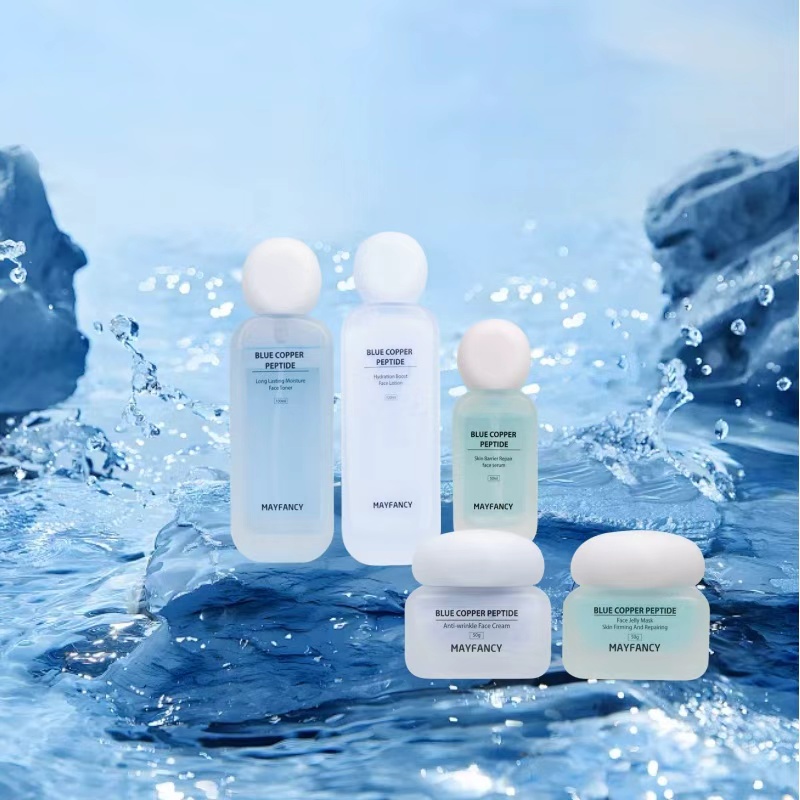
Why Traditional Forecasting Fails for Oily-Skin Moisturizer Demand
The Challenge of Demand Volatility in Skin-Type-Specific Skincare
The market for moisturizers designed for oily skin goes through wild ups and downs throughout the year. These changes happen mainly because of things like seasonal humidity differences, monthly hormone fluctuations, and what's currently popular in different parts of the world when it comes to skincare routines. Products made specifically for certain skin types tend to see their demand swing around about 30 percent more than regular products according to last year's Consumer Behavior Modeling Report. Take matte finish moisturizers for example. Sales really take off in tropical areas during summer months, sometimes jumping as much as 40%, only to plummet again once winter arrives. Standard forecasting methods just don't work well here since they look at oily skin as if it were some fixed condition rather than something that actually responds to all sorts of factors like air quality, daily stress levels, and weather conditions that constantly influence oil production on our faces.
Limitations of Aggregate SKU Models in Capturing Oily-Skin Trends
Aggregate SKU-level forecasting obscures critical patterns in oily-skin product demand. When manufacturers group all moisturizers into broad categories, they miss key drivers such as:
- Regional skin-type variations: Humid climates generate 55% higher demand for oil-control formulas than arid zones.
- Ingredient sensitivity: 62% of oily-skin consumers avoid comedogenic ingredients like coconut oil, creating distinct purchase cycles.
- Cross-category cannibalization: Mattifying serums and sunscreens reduce moisturizer demand unpredictably.
This oversimplification leads to forecast errors exceeding 25%, resulting in reactive discounting or stockouts. Machine learning demand forecasting addresses this by treating oily skin as a dynamic behavioral segment rather than a fixed SKU group.
Machine Learning Demand Forecasting: From Theory to Skincare Application
Core Principles of Machine Learning in Product Demand Prediction
Machine learning takes all that old sales data and turns it into something useful for predicting what might happen next, basically finding those secret patterns in how people actually buy stuff. These aren't your regular old models sitting there doing nothing once set up. Instead, they keep changing as they get new information about things like seasons coming around again, what's hot on social media right now, or when the economy starts acting funny. Skincare companies can really benefit from this kind of analysis too. They look at how well products for oily skin sell during different times of year while checking local weather conditions across regions and even seeing which ingredients work best under certain circumstances. The real perks? Well, let's just say there are quite a few worth mentioning.
- Adaptive accuracy: Models self-correct as market conditions evolve
- Multi-factor analysis: Simultaneous processing of variables like pricing changes and competitor launches
- Error reduction: Cuts overstock and understock scenarios by 30—50% compared to traditional methods
Integrating NLP and Seasonal Dermatological Data for Behavioral Insights
Natural Language Processing (NLP) analyzes unstructured data from customer reviews, social media, and search queries to identify emerging trends in oily skin care. When combined with seasonal dermatological data—such as increased sebum production during summer humidity spikes—brands gain deeper behavioral insights. For example:
| Data Type | Forecasting Application | Impact on Accuracy |
|---|---|---|
| NLP Sentiment | Real-time detection of "matte finish" demand surges | +27% prediction refinement |
| Climate Skin Impact | Monsoon-season formulation adjustments | +34% regional forecast precision |
This integration enables dynamic supply chain optimization, aligning production with location-specific demand fluctuations driven by environmental and behavioral signals.
Case Study: AI-Driven Forecasting of Matte-Finish Moisturizers in APAC
L'Oréal’s Real-World Implementation and Supply Chain Impact
One of the big players in the beauty industry started using machine learning to predict demand for their matte finish moisturizers throughout the Asia-Pacific region. They fed their algorithms data from local search trends, weather patterns, and what people with oily skin tend to buy. The results were pretty impressive - their forecasts were 23 percent more accurate than old school methods. This meant they could adjust their inventory much better. They managed to cut down on leftover products that weren't selling well by around 18%, while still keeping popular items in stock when customers wanted them. What really stood out was how detailed the model got about different skin types. Instead of just shipping product everywhere randomly, it actually redirected production away from those humid coastal areas where things don't sell as well, towards cities dealing with pollution problems where these moisturizers are actually needed. And all this made their supply chain way more responsive too. Stock replenishment times dropped dramatically from eight whole weeks down to just twelve days, which makes a huge difference in meeting customer needs quickly.
Measuring Accuracy Gains in Oily-Skin Product Replenishment
Switching to AI based planning made a real difference in getting products onto shelves when customers wanted them. For those matte finish moisturizers we track, our forecast accuracy hit around 92% at nearly 7,000 stores across Asia Pacific territory, which is way better than the old system by about 31%. We saw some impressive results too with trickier products such as those SPF infused oil control formulas. The error rate went down past 11% because the system kept learning from what people returned. All this attention to detail meant less waste of perishables overall (about 15% less) and shelves stayed stocked with popular non comedogenic products 19% more often. The whole supply chain became much more responsive to what different regions needed during various seasons.
Is 'Oily Skin' a Reliable Segment for Machine Learning Forecasting?
Analyzing Self-Reported Skin Types as a Dynamic Consumer Behavior Signal
When people label their skin as "oily," it creates problems for accurate predictions because everyone interprets these terms differently. Research published in 2025 looked at a group of young Chinese women and discovered big differences between what they thought about their skin versus actual tests measuring oil production and skin sensitivity. Why does this happen? Well, our skin changes with seasons, hormones fluctuate all the time, and most folks aren't really good at diagnosing their own skin condition properly. All this inconsistency just adds confusion when building training data for machine learning models. If an AI system tries to predict skin behavior based only on what users report about their skin type, the results won't be very reliable in practice.
Implications for Granular, Skin-Type-Level Demand Modeling
To address this, machine learning models must incorporate multi-dimensional data:
- Behavioral signals: Purchase history and product reviews reflecting actual usage
- Contextual factors: Local climate and seasonal humidity affecting skin needs
- Cross-validated segmentation: Blending self-reports with dermatological data where available
Rather than just putting people into yes/no categories, this method actually looks at probabilities when predicting what customers want. When we think about oily skin not as a simple label but as something that exists along different levels - maybe someone's skin reacts badly to certain ingredients or gets inflamed easily - our predictions about how well matte moisturizers will sell get much better. Industry data shows sales forecasts improve anywhere from about 20% up to almost 40%. What matters most is seeing skin types as changing behaviors rather than fixed traits in the bigger picture of how consumers interact with products over time.
FAQ Section
What factors contribute to demand volatility in skincare products for oily skin?
Factors such as seasonal humidity differences, monthly hormone fluctuations, and regional skincare trends contribute to demand changes for oily skin products.
Why do traditional forecasting methods fall short for oily skin moisturizer demand?
Traditional methods fail because they treat oily skin as a fixed condition, ignoring the dynamic factors like weather and consumer behavior that influence product demand.
How does machine learning improve demand forecasting for skincare products?
Machine learning provides adaptive accuracy, simultaneously processes multiple variables, and significantly reduces overstock and understock scenarios compared to traditional methods.
Why is it challenging to forecast demand for products targeted at self-reported oily skin?
Self-reported skin types often don't reflect accurate conditions due to subjective perceptions and changing factors, making data unreliable without additional contextual information.
Table of Contents
- Why Traditional Forecasting Fails for Oily-Skin Moisturizer Demand
- Machine Learning Demand Forecasting: From Theory to Skincare Application
- Case Study: AI-Driven Forecasting of Matte-Finish Moisturizers in APAC
- Is 'Oily Skin' a Reliable Segment for Machine Learning Forecasting?
-
FAQ Section
- What factors contribute to demand volatility in skincare products for oily skin?
- Why do traditional forecasting methods fall short for oily skin moisturizer demand?
- How does machine learning improve demand forecasting for skincare products?
- Why is it challenging to forecast demand for products targeted at self-reported oily skin?