
 EN
EN
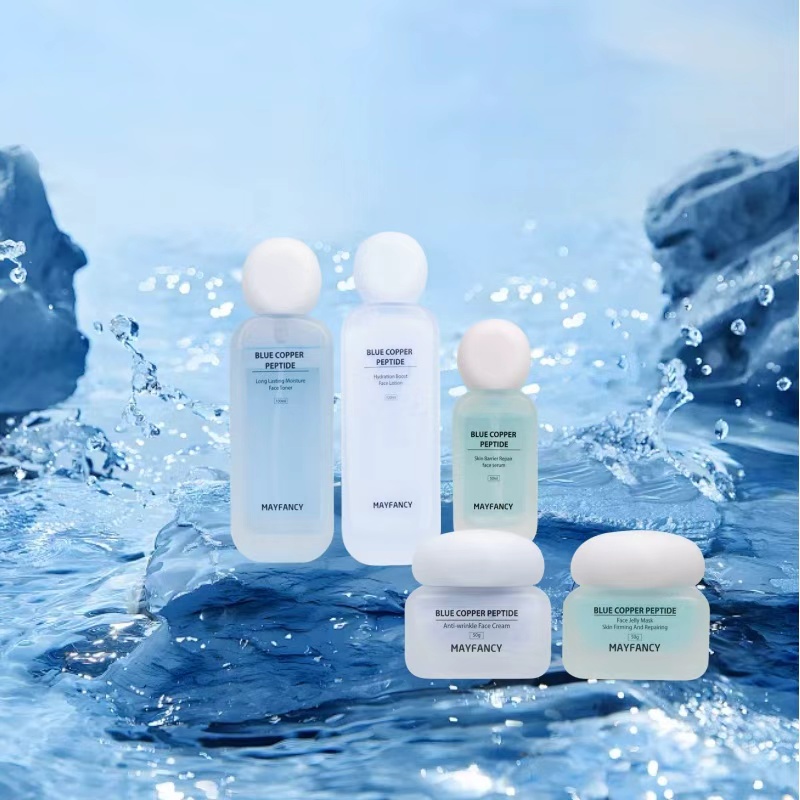
Understanding Gen Z’s Skincare Values and Digital Behavior
Core values driving Gen Z beauty choices: Authenticity, inclusivity, and purpose
The way Gen Z thinks about skincare is all about values first. They want real stuff, not just empty promises wrapped up in fancy words like authenticity and inclusivity. Most of them actually care if a brand walks the walk when it comes to these things. Around 80 percent of young people today see beauty simply as being true to oneself according to recent surveys, which explains why so many are looking for products that let them express who they really are. Almost half prefer green options too, showing how seriously sustainability matters to this group. For companies trying to sell old school face serums to these folks, there's no getting around it - the whole business needs to change inside out. Just slapping on some eco friendly labels won't cut it anymore. Real transformation requires genuine effort across every aspect of what the company does, not just marketing fluff.
How Gen Z researches and selects skincare products online
When picking out skincare products, Gen Z tends to do their homework first, turning to peer reviews, influencer posts, and actual educational stuff instead of just ads. These young shoppers really dig into what's in the ingredients, look for real science behind claims, and want companies to be upfront about everything. Social media platforms such as Instagram and TikTok aren't just where they find new products but also where they check if those products actually work by reading what others say and seeing what dermatologists recommend. The numbers back this up too: 85% of them engage online, way ahead of other age groups. And once they believe something works based on solid info and recommendations from people they follow, they're 40% more likely to buy it compared to folks without that confidence boost.
The dominance of TikTok, Instagram, and Xiaohongshu in shaping #Skintok trends
Social media platforms like TikTok, Instagram, and Xiaohongshu have really changed how Gen Z approaches skincare routines. Hashtags such as #Skintok have become massive influencers in the space. Looking at numbers, around 70 percent of beauty products bought by young people come through TikTok recommendations these days, so getting noticed there is basically table stakes now. What works so well across these apps isn't just flashy ads but short clips, peer reviews posted by everyday users, and those crazy viral challenges that somehow stick around. For older established brands wanting to connect with younger audiences, authenticity matters most. Think lab tours showing actual product development, honest stories from customers who've tried things out, or even simple explanations about what ingredients do. When companies focus on providing real value instead of pushing sales all the time, the audience tends to respond better and spread the word naturally within their circles.
Modernizing the Brand Narrative with Digital-First Storytelling
Reframing heritage as credibility without appearing outdated
Getting a legacy face serum noticed by Gen Z requires reframing what was once seen as outdated into something genuinely tested over time. The numbers back this up too - around three quarters of young people don't trust old school ads according to Forbes last year. But these same folks care deeply about products that actually work. A brand's long history becomes valuable when presented right. Think about all those years spent perfecting formulas, trial and error, figuring out exactly what ingredients work best together. Newer brands just don't have that kind of experience yet. Instead of talking about heritage as some dusty tradition, frame it as real world testing grounds. Gen Z wants proof, not pretty packaging. They want to know why something works, not just that it smells nice. So when we talk about decades of expertise, connect it directly to actual results people can see and feel.
Communicating authenticity and transparency in repositioned messaging
Gen Z simply won't put up with anything less than genuine these days. The numbers back this up too - around two thirds of them walk away from brands that don't show exactly what goes into their products according to BeautyMatter's latest findings. Brands need to start talking differently if they want to connect with younger consumers. Clean ingredients matter, yes, but so does showing actual test results and being upfront about what works and what doesn't. People want honesty over hype. When companies let us peek behind the curtain at how they source materials and develop products, that creates real connection. A recent Consumer Trust Report shows something interesting here: brands that share their product creation stories get way better engagement from Gen Z customers, roughly three times more interaction actually. Makes sense when you think about it.
Using short-form video content to humanize the legacy brand
Legacy brands need something fresh to connect with younger audiences, and short form videos are doing just that. Platforms like TikTok and Instagram Reels let companies show off how their serums work fast, whether through before/after transformations, simple explanations about ingredients, or even quick shoutouts from skin doctors. What works so well is the raw, everyday look these videos have. Instead of polished ads, people see actual customers getting real results, not some fancy marketing setup. According to SocialMediaToday from last year, brands that go the educational route with short clips actually convert Gen Z shoppers at nearly five times the rate they do with regular product photos. Makes sense when you think about how visual this generation really is.
Building Trust Through Science, Dermatology, and Education
Highlighting Clinical Efficacy and Dermatologist-Backed Formulations
Legacy skincare brands need to build real trust with Gen Z by grounding their products in actual science. We're now in what some call the "skincare era" according to Ponemon's research from 2025, and young consumers want to see real results backed by data rather than just marketing buzzwords. Most people actually listen to what dermatologists say instead of following influencer trends for skincare tips, as noted by Evolut Agency in their 2025 findings. When companies showcase real clinical trials, formulas created by skin doctors, and honest information about where ingredients come from, it fights against what Vogue called "sciencewashing" back in 2025 too many brands pretend they're scientific without any real proof behind their claims. This kind of misleading talk hurts everyone in the industry. Old brand names should emphasize how they've been improving formulas through years of research and testing, showing actual effectiveness over time rather than just talking about tradition or history.
Creating Educational Content That Empowers Informed Skincare Decisions
The Gen Z crowd wants to feel empowered rather than confused when it comes to their skincare. These kids know what's in their products and how to use them properly. They gravitate toward content that breaks down complicated science stuff into something they can actually understand. According to Vogue from last year, companies that focus on teaching people about skincare while being transparent really help customers make better decisions. The best way to get this info out there? Social media obviously. Platforms like TikTok and Instagram work wonders for explaining tricky concepts through quick videos that keep viewers interested without boring them to death. Legacy brands selling serums need to stop acting like they're just trying to sell stuff and start being real educators instead. When these older companies take time to explain things honestly, they earn actual trust from younger folks who care deeply about knowing what goes on behind the scenes.
Aligning with Gen Z Values: Sustainability, Inclusivity, and Ethical Transparency
Sustainability in packaging and clean, transparent ingredient sourcing
For Generation Z, sustainability isn't just important it's essential when it comes to where their stuff comes from. According to some research from Vistaprint, around three quarters of these young consumers actually pay extra money for products that claim to be sustainable. They aren't fooled by marketing speak either many roll their eyes at labels saying something is "natural" unless there's real evidence behind it. Brands need to get serious about changing formulas to include ingredients that come from ethical sources and switch to packaging that doesn't harm the planet. Think refills instead of single use containers or materials that break down naturally after disposal. Companies should stop pretending they care about the environment through empty promises. Instead, put actual information out there about where raw materials come from, show those animal friendly or plant based certifications properly, and explain exactly what kind of footprint each product leaves behind. When transparency becomes part of everyday operations rather than just something written in a mission statement, that's when real change happens.
Expanding inclusivity in marketing and product accessibility
For Generation Z, being inclusive isn't just nice to have—it’s basically table stakes these days. Mintel reports that around two thirds of them completely reject old school gender roles. These young consumers want to see themselves represented in real ways across all aspects of branding. Skin color matters, different body types matter, actual life experiences matter. Don't just slap on diversity for show. Want to make that serum appeal wider? Show people with all sorts of complexions, different skin issues, maybe even include folks who wear makeup differently than what's traditionally marketed. Pricing strategies can help too. Maybe offer smaller packages at lower prices while still keeping product standards high. True inclusivity needs to be woven into the DNA of a brand, not just something marketers check off when launching new products. When companies get this right, they connect deeply with a generation that genuinely cares about fairness and seeing themselves reflected everywhere they look.
Frequently Asked Questions (FAQ)
What values drive Gen Z's skincare choices?
Gen Z's skincare choices are mainly driven by authenticity, inclusivity, and sustainability. They seek genuine products that uphold these values beyond mere marketing slogans.
How does Gen Z research skincare products?
Gen Z relies on peer reviews, influencer posts, and educational content instead of traditional advertising to make informed decisions on skincare products.
What role do social media platforms play in Gen Z's skincare routines?
Platforms like TikTok, Instagram, and Xiaohongshu significantly influence Gen Z's skincare routines through trends such as #Skintok, where they discover and validate new products.
Why is authenticity important for brands targeting Gen Z?
Authenticity is crucial because Gen Z consumers desire real connections with brands, seeking transparency in product ingredients and genuine brand stories.
How can legacy brands appeal to Gen Z?
Legacy brands can appeal to Gen Z by modernizing their narratives, showcasing clinical efficacy, and using digital-first storytelling to connect with younger audiences.