
 EN
EN
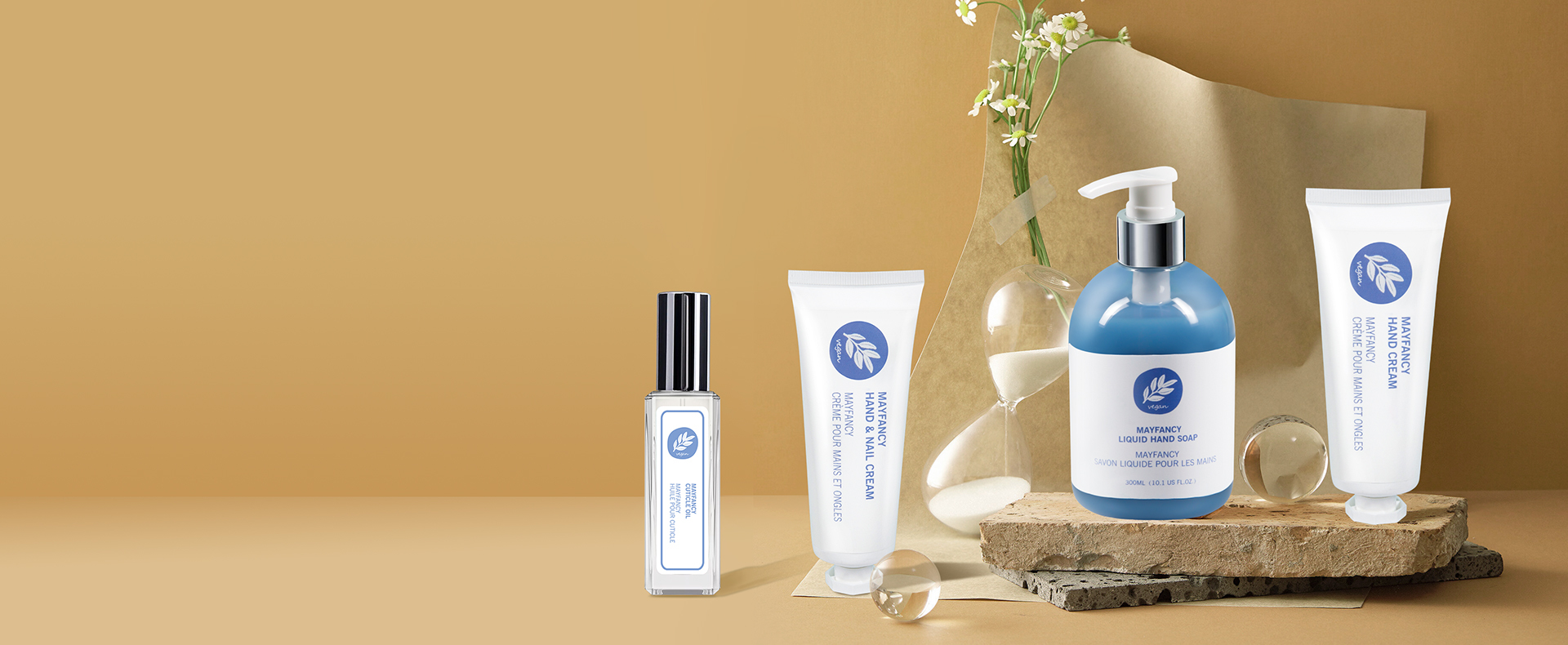
Refillable and Reusable Container Systems
Refillable systems represent a transformative approach to reducing plastic waste in hand soap packaging. By enabling repeated use of durable containers, these models directly address the environmental burden of single-use plastic bottles while offering consumers practical low-waste hand wash solutions.
How refill systems cut plastic use by up to 70% per year per household
Households adopting refillable soap systems eliminate the need for constant repurchasing of disposable plastic containers. Industry analysis shows these systems reduce plastic consumption by 60–70% annually per household through concentrated refill pouches or bulk refill stations. The reduction stems from:
- Replacing 10–15 single-use bottles yearly with one permanent dispenser
- Using ultra-lightweight refill packaging weighing 80–90% less than standard bottles
- Extending container lifespan through durable materials like glass or reinforced aluminum
Designing circular refill models: closed-loop vs. open-loop take-back programs
Circular refill systems operate through two primary frameworks with distinct environmental impacts:
| Model Type | Collection Method | Processing | Plastic Reduction Potential |
|---|---|---|---|
| Closed-Loop | Brand-managed returns | Sterilized & refilled by OEM | 75–80% |
| Open-Loop | Third-party consolidation | Refilled by certified partners | 60–70% |
Closed-loop systems maintain higher quality control through proprietary cleaning protocols but require significant brand infrastructure. Open-loop models leverage existing recycling networks for broader accessibility but face material compatibility challenges across brands. Both outperform traditional recycling, which recovers less than 30% of hand soap packaging.
Consumer adoption barriers—and how innovative brands overcame them
Initial resistance to refill systems centered on three key concerns: convenience (42% of hesitant consumers), perceived hygiene risks (38%), and higher upfront costs (35%). Leading sustainable liquid soap container manufacturers addressed these through:
- QR-code enabled mail-back programs with prepaid shipping
- Tamper-evident seals and antimicrobial container materials
- Subscription models that reduce refill costs by 20–30% after the initial purchase
- In-store refill stations with automated dispensing technology
These strategies increased adoption rates by 150% within two years among eco-conscious demographics—demonstrating that behavioral barriers can be overcome through thoughtful circular design implementation.
Material Substitution: Aluminum, Glass, and Compostable Polymers
Lifecycle analysis: Why aluminum outperforms PET in recyclability and carbon footprint
Looking at options for cutting down on plastic waste from hand soap packaging, aluminum stands out as a much better choice compared to regular PET plastic when we look at how these materials perform throughout their entire life cycle. The numbers tell the story pretty clearly too. About 70 percent of aluminum gets recycled worldwide, which is way ahead of what happens with PET plastics that only manage around 20 to 30 percent recycling rates. What's really impressive is that aluminum can go through the recycling process again and again without losing any quality. According to data from the Aluminum Association back in 2023, making recycled aluminum takes just 5% of the energy needed for producing new aluminum from raw materials, which cuts carbon emissions by almost all of it - somewhere around 97% less per ton. When it comes specifically to holding liquid soaps, aluminum has another edge. It's surprisingly light weight despite being tough enough to handle daily use, coming in at about 30% lighter than glass bottles. Plus, it forms excellent barriers against both oxygen and moisture, keeping products fresh longer and making refill systems work much better in practice.
| Material | Recyclability Rate | Carbon Footprint Reduction | Best Use Case |
|---|---|---|---|
| Aluminum | 70%+ | 95% vs. virgin | Liquid soap bottles |
| PET Plastic | 20–30% | 30–50% vs. virgin | Single-use containers |
Source: Material Circularity Report 2023
Biodegradable polymer limitations for liquid formulations (moisture barrier, shelf life)
Compostable polymers such as PLA definitely have promise when it comes to cutting down on packaging waste, but there are real technical roadblocks stopping them from being used in liquid hand soaps. The problem is most plant-based materials just don't handle moisture well. We're talking about losing around 15% of weight through vapor transmission after only 60 days according to Bioplastics Magazine last year. This causes the soap to evaporate faster and change texture over time. Shelf life? Typically no more than 6 to 12 months before the material starts breaking down naturally. Compare that to aluminum or glass containers which last over two years. Industry insiders point out another issue too. Alkaline soaps actually break down PLA containers pretty quickly sometimes within just a few weeks. To work around these problems, companies often need to create complex multi-layer structures that push costs up by roughly 40%, or add chemicals that mess with compostability certifications altogether.
Concentrated, Solid, and Tablet-Based Soap Innovations
How soap tablets reduce packaging weight by 92% and eliminate single-use bottles
The rise of soap tablets is changing how we think about hand soap packaging, swapping out those bulky plastic bottles for small, dissolvable units instead. When it comes to reducing packaging weight, these solid soaps beat traditional liquid versions by about 92 percent, mainly because there's no need for all those single-use plastic containers anymore. Just pop a tablet into any old container and let it dissolve, and voila! Liquid soap without having to manufacture new plastic or deal with heavy shipping costs. The environmental benefits are pretty obvious here. People who care about their carbon footprint will love these tablets since they take up next to no space, work great when traveling, and help cut down on plastic waste at home. Plus, they still clean hands just as well as regular soap does, so nobody has to compromise on effectiveness for sustainability.
FAQ Section
What are refillable container systems for hand soap?
Refillable systems are durable containers designed for repeated use, reducing the need for single-use plastic bottles and minimizing plastic waste.
How do refill systems reduce plastic use at home?
They cut plastic use by enabling the reuse of one permanent dispenser and using lightweight refill packaging, drastically reducing the annual plastic consumption.
What is the impact of closed-loop refill models?
Closed-loop models have brand-managed returns with a higher plastic reduction potential due to proprietary cleaning and refilling protocols.
Why is aluminum preferred over PET plastic for packaging?
Aluminum is highly recyclable and has a significantly lower carbon footprint compared to PET, making it a sustainable packaging choice.