
 EN
EN
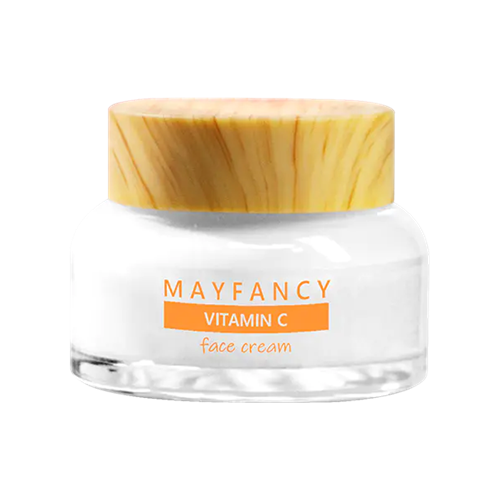
Why Dark Spot Creams Face Unique Inflation Pricing Pressures
Dark spot treatments encounter distinct inflationary challenges compared to general skincare, driven by specialized formulations and regulatory scrutiny. Unlike basic moisturizers or cleansers, these products require potent actives, rigorous testing, and advanced packaging—all of which amplify cost pressures and complicate pricing strategies during economic volatility.
Rising COGS: Active Ingredients, Stabilizers, and Sustainable Packaging Costs
Creating good dark spot creams requires using pretty high amounts of active stuff like vitamin C, niacinamide, and safer versions of hydroquinone. These ingredients can be tricky because their prices fluctuate all the time thanks to things like bad weather affecting crops and complicated ways they need to be extracted. Then there's the matter of stabilizers needed to keep those sensitive compounds from breaking down, which adds around 15 to 20 percent to what it costs to make the product. And let's not forget about packaging either. Brands wanting to go green often switch to special UV protective glass bottles or those fancy recyclable airless pumps instead of regular plastic tubes, which pushes costs up another 25 to 50 percent. When we put all this together, the cost of goods sold ends up being roughly 30 to 40 percent more compared to basic skincare products. No wonder we're seeing prices climb so much in the skin brightening market these days.
Regulatory & Stability Testing Burdens Amplified During Supply Chain Volatility
Brightening agents often fall into the category of drug-level actives, which means they need stability tests lasting anywhere from six to twelve months under very controlled conditions. These tests typically run between thirty thousand to fifty thousand dollars for each stock keeping unit. When supply chains get disrupted and companies have to swap out ingredients like synthetic melanin inhibitors for plant-based alternatives instead, everything gets complicated. The formulations then require going through all the testing again, pushing back product launches by roughly three to five months. All this adds up to longer development times and higher costs, which really eats into profit margins right when customers start caring more about prices. For anyone trying to set smart pricing in the beauty business, it's essential to factor in not just the regulatory costs but also how hard it can be to predict whether certain ingredients will even be available when needed.
Consumer Behavior Shifts: Price Sensitivity and Value Perception in Brightening Skincare
Trading Down Trends: Data on Mid-Tier Adoption and Premium Exit Rates
Money matters are making people move away from expensive dark spot treatments toward more middle-of-the-road options. The numbers tell the story pretty clearly too. Last year we saw about a 22% jump in people going for those mid-range brands, while folks leaving the premium market hit around 18% according to Market Insights Group's latest report. Most shoppers these days want something that actually works but doesn't break the bank. Around two thirds of people who used to buy premium products have switched when prices went up by more than 10%. What this shows is there's a real gap forming between what's considered luxury skincare and what most can afford. Brands are starting to notice this and are changing their product lines to include different price tiers with clearer information so they can attract customers looking for good value without sacrificing quality.
Higher Price Elasticity vs. Core Skincare Categories (Moisturizers, Cleansers)
The price sensitivity of dark spot correctors stands out significantly compared to basic skincare staples such as moisturizers and cleansers, with studies showing they're about 1.5 times more responsive to price changes. When prices go up by just 10%, sales of these brightening products typically fall between 15 and 20 percent, whereas fundamental skincare items only see drops around 5 to 8 percent. This happens because dark spot treatments aren't seen as necessities by most shoppers who tend to put them on hold or try homemade remedies when budgets tighten. Brands wanting to keep customers coming back need to focus on how their pricing relates directly to results people can actually see, like gradual fading of pigmentation spots over weeks or months. What's becoming increasingly important is transparency about what goes into these products. Recent surveys indicate that roughly three quarters of consumers prioritize knowing if ingredients work effectively rather than being impressed by fancy packaging, especially as overall product costs continue climbing.
Strategic Inflation Pricing Models for Dark Spot Creams
Value-Based Pricing Tied to Measurable Outcomes (e.g., Clinical Melanin Reduction)
When it comes to raising prices on dark spot creams, top brands tie their pricing strategy directly to what happens in real world testing. Look at products that show around 30% less melanin after about two months of use according to lab tests these typically cost about 22% more than regular store brands. The whole skincare industry has shifted toward this approach where customers care less about how much something costs per ounce and more about whether it actually works. Recent research shows nearly 60% of people shopping for skin brighteners would pay extra if they knew the product delivered visible results first thing in the morning when they look in the mirror. That makes sense for companies trying to keep profits stable while still offering something that really makes a difference.
Tiered Formulation Strategy: Aligning Efficacy, Cost, and Positioning Across SKUs
A tiered approach enables brands to balance performance, cost, and accessibility:
- Premium: Features high-potency actives like 5% tranexamic acid, backed by clinical validation for maximum efficacy
- Mid-tier: Uses optimized stabilizer systems and efficient delivery mechanisms to deliver strong results at 15–20% lower COGS
- Value: Leverages proven botanicals such as licorice root extract in cost-effective dark spot cream formulas
This structure maintains innovation at the top while offering accessible entry points, allowing brands to redistribute R&D investments across the portfolio. It also insulates against supply chain shocks by diversifying ingredient dependencies—a cornerstone of resilient beauty pricing strategy.
Competitive Benchmarking and Agile Pricing Execution
Maintaining a strong position in the market means having up to date information and being able to react quickly. Companies that use automated price monitoring systems can typically respond within about two days after seeing what competitors do, which helps protect their profits and customer base. About 68 out of every 100 people look at how much different brightening products cost each month according to DermScience Insights from last year, so being flexible really matters these days. When companies tie their price adjustments to actual benefits shown in studies, different levels of eco friendliness, and how they organize their product lines, customers tend to see more value in what they're buying. Higher priced items show that a company is leading in innovation, whereas the middle range products attract those who care more about saving money. The best approach for raising prices during inflation involves combining current market data with what makes the brand special, making sure any price hikes actually come from improvements customers can measure, not just covering rising expenses.
FAQ
Why do dark spot treatments have unique inflation pricing pressures?
Dark spot treatments are subject to unique pricing pressures due to their specialized formulations and regulatory scrutiny which involve higher costs for active ingredients, stabilizers, and sustainable packaging, in addition to regulatory testing requirements.
How does consumer behavior affect dark spot cream pricing?
Consumers are increasingly price-sensitive and tend to opt for mid-tier products over premium options, especially when there's a price increase of over 10% in premium products. Brands must navigate this gap by offering various price tiers.
What is tiered formulation strategy for dark spot creams?
This strategy involves offering a range of products from premium to value options, balancing efficacy, cost, and positioning, thus making products accessible to a broader audience while maintaining overall innovation.
How does price elasticity differ for dark spot creams vs. other skincare products?
Dark spot correctors are significantly more price-sensitive than basic skincare staples like moisturizers, with a higher drop in sales when prices increase.