
 EN
EN
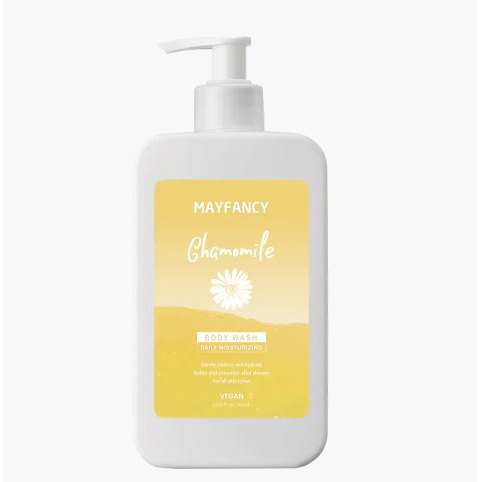
The Skincare SKU Complexity Challenge
Why shade, size, formulation, and regulatory variants inflate storage demands
Optimizing skincare warehouses presents some real challenges because there's just so much product variety out there. Every time they change shades, sizes, formulations, or meet different regional standards, it becomes another unique Stock Keeping Unit (SKU) that needs its own special place in storage. Regulations add even more complexity. Think about those temperature sensitive preservatives or restrictions on flammable aerosols. All these rules mean warehouses have to carve out spaces for everything from slow moving specialty items next to fast selling products. There are separate areas for dangerous materials, climate controlled spots for ingredients that break down easily, and whole sections just for packaging that meets specific country requirements. Managing all this takes serious planning and space management skills.
Data insight: 1,200–4,500+ active SKUs per mid-tier brand strain traditional layouts
Modern skincare portfolios overwhelm legacy warehouse designs built for 200–500 SKUs. Mid-tier beauty brands now manage 1,200–4,500+ active SKUs—a growth that exposes critical limitations in static infrastructure:
| Traditional Layout Limitation | Impact on Skincare Operations |
|---|---|
| Fixed bin locations | 40%+ wasted vertical space |
| Static zoning | 27% longer pick paths |
| Uniform storage conditions | Non-compliance risks |
The result is 22% higher carrying costs and 18% slower fulfillment cycles versus standardized consumer goods operations—making efficient SKU storage solutions essential for scalable skincare logistics.
Dynamic Slotting Strategies for Skincare Warehouse Optimization
Velocity-driven placement: Reducing picker travel time by 31% through demand-based zoning
Putting high selling items such as face serums, moisturizers and sun protection products into what we call "golden zones" right next to where packages get packed can really cut down on how much time warehouse workers spend walking around looking for things. According to last year's Warehouse Efficiency Report, this approach saves about 31% of their travel time. The whole system works because it looks at actual sales numbers in real time. Products that sell quickly remain easy to reach, while seasonal bundles come and go depending on what customers want when. Cleansers often end up placed close to toners since people tend to buy them together anyway, which makes it easier for staff to grab multiple items at once during order fulfillment.
AI-powered slotting in action: 68% fewer mispicks for clean beauty brands
Organic skincare warehouses now rely on machine learning systems that track over a dozen factors like expiration dates, product batches, and container sizes to cut down on fulfillment mistakes. A real world example saw error rates drop by nearly two thirds when the software started automatically highlighting similar looking packages containing vitamin C and retinol products that often get mixed up. These intelligent systems keep adjusting where items are stored depending on how fast they sell, which means delicate glass droppers and those fancy airless pump bottles stay properly organized without getting damaged during restocking. The result? Handling related damage decreased by almost 20 percent, plus all the allergen free products remain separated as required for regulatory compliance throughout the entire process.
Climate-Controlled Storage & Compliance-Ready Infrastructure
Getting the environmental conditions right is absolutely essential when storing skincare products with delicate formulas. When temperatures go over 75 degrees Fahrenheit (about 24 Celsius), active ingredients such as retinol and vitamin C start breaking down. High humidity levels above 60% can actually encourage bacteria growth in those water based serums we all love. That's why good quality HVAC systems are so important. They need to keep things consistently between 55 to 65 degrees Fahrenheit (around 13 to 18 Celsius) while maintaining relative humidity somewhere between 45% and 55%. This helps preserve how effective these products are and extends their shelf life considerably. Warehouses also use insulated storage areas to stop condensation from forming. Special sections are set aside for more volatile items like alcohol based toners which require extra precautions for safe storage.
Compliance goes way beyond just keeping things at the right temperature. Manufacturers need to lock down who gets access to certain areas, keep track of every batch through proper documentation, and run those cleaning processes that have been officially validated if they want to stay within FDA CGMP guidelines and EU Cosmetics Regulations. When systems can catch deviations as they happen, companies can jump on problems fast before they escalate. According to IARW research from last year, this kind of real time monitoring cuts down on product recalls by about a third. The air flow system design matters too. Good engineering keeps scented products separate from their fragrance-free counterparts so there's no mixing contamination issues. Putting money into these compliance upgrades makes sense beyond just ticking boxes for regulators. For beauty brands dealing with premium products, losing inventory to spoilage costs around 15% each year for facilities that don't meet certification standards. What looks like an expense turns into something that actually protects profits when done right.
FAQ
Why do skincare products require specialized storage conditions?
Skincare products often contain delicate formulas with active ingredients that can degrade at high temperatures and humidity levels, necessitating climate-controlled environments to preserve their efficacy and extend shelf life.
How does AI-powered slotting reduce mispicks in skincare warehouses?
AI-powered slotting uses machine learning to analyze factors like expiration dates and product demand, optimizing item placement to reduce mispicks and fulfillment errors by adjusting storage based on sales data.
What are the benefits of dynamic slotting in warehouse operations?
Dynamic slotting improves efficiency by placing high-demand items in easily accessible "golden zones," reducing picker travel time by up to 31%, and optimizing inventory based on real-time purchasing trends.
How does compliance impact skincare product storage?
Compliance in skincare storage includes adhering to temperature and humidity guidelines, securing restricted areas, and ensuring proper documentation to meet FDA and EU standards, preventing product spoilage and recalls.