
 EN
EN
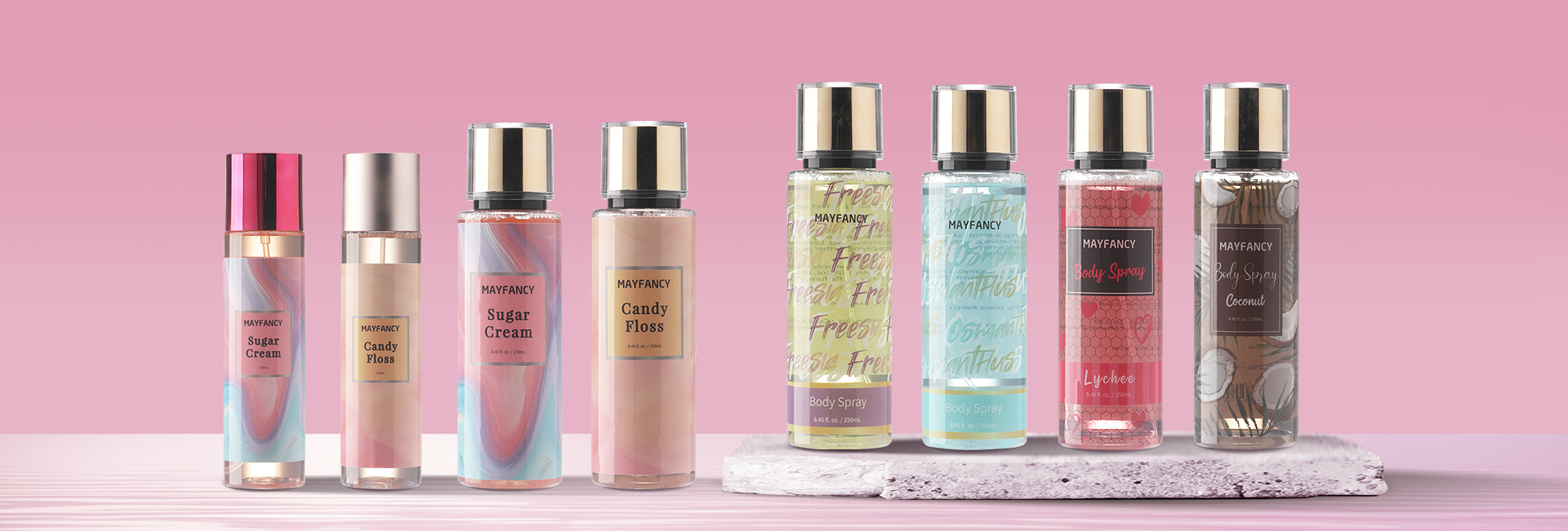
Understanding Beauty Slotting Fee Negotiation Dynamics in the Oily Hair Care Category
Why oily hair formulations face unique leverage challenges: Low category differentiation, high retailer scrutiny, and crowded shelf competition
Hair care companies targeting oily hair face some real challenges when negotiating those slotting fees, mainly because of three big issues working together. For starters, there's not much difference between products these days. Around 72% of mainstream shampoos basically say the same thing about being sulfate free or clarifying, which doesn't help brands stand out. Then there's the problem with retailers wanting proof for their specific oily hair claims. About two thirds actually insist on third party testing results before they'll even consider putting a product on shelves. And let's not forget about crowded store aisles. Hair care sections typically pack in 87 different products per linear foot of space, and private label brands take up 85% of that space already. Brands have to fight hard just to get noticed next to established competition. All this adds up to squeezed profit margins, with many companies spending more than 30% of their marketing money just to land spots in the busiest parts of stores.
How retailer category management models shape fee expectations for haircare subcategories
How retailers manage product categories has a big impact on what brands have to pay to get their oily hair products on store shelves. When we look at category captainship arrangements, basically where one main manufacturer takes charge of what goes on the shelf, stores tend to go for products that sell well already. New companies without sales history? They face asking prices 15 to maybe even 25 percent higher than established brands. Things work differently in those fancy beauty sections you see in upscale mass retailers though. These curated selections focus heavily on exclusivity. Brands wanting prime spots near expensive products will shell out extra cash, sometimes as much as 40% over regular fees for those coveted endcap positions. The upside is they benefit from being next to premium brands, which gives them a bit of a credibility boost. All these different approaches set varying standards across the industry.
| Model Type | Fee Premium | Key Justification Requirement | Placement Priority |
|---|---|---|---|
| Category Captainship | +15–25% | Velocity benchmarking vs. top 3 incumbents | Mid-aisle secondary |
| Curated Beauty Edit | +30–40% | Clinical differentiation & social proof | Entry/endcap primary |
Fee structures now increasingly reflect performance risk-sharing, with 63% of retailers offering rebates if products miss 90-day sales targets. Brands must therefore align slotting investments with the retailer’s specific merchandising philosophy—not just category norms.
Data-Backed Strategies to Strengthen Your Beauty Slotting Fee Negotiation Position
Using IRI/Nielsen Velocity Data and Pilot-Store Sell-Through to Quantify Demand—and De-Risk Placement—for Oily Hair Products
The IRI and Nielsen velocity data really changes how we approach those back-and-forth talks with retailers. Instead of just guessing what works, we can show exact buying patterns for products targeting oily hair. Last year's test run at around 200 big box stores revealed something interesting: items selling at least $740 worth each week in every location got slotting fees cut down by about 32%. Makes sense when you think about it - less stock sitting around means less risk for everyone involved, plus there's clear proof that customers actually want these products. When manufacturers present this kind of hard data along with how their products stack up against others, especially in busy markets like urban areas or college towns, it helps justify why certain shelves should carry these specialized oily hair treatments. Retailers who might otherwise dismiss them as too niche start seeing real value instead of just another product in an already crowded market.
Benchmarking Competitive Slotting Fees and Trade Spend Efficiency Within Mass-Channel Haircare Subsegments
Category captainship models often result in imbalanced fee structures, where smaller brands shoulder disproportionate costs. Public financial disclosures reveal key benchmarks:
- Mass-market shampoos: Average $15k–$45k per SKU annually
- Oily hair subsegment: Commands 18–22% higher fees due to lower perceived turnover
Negotiate using trade spend efficiency ratios (promotional ROI · slotting cost). Brands achieving >1.8x efficiency consistently gain 15–20% fee reductions by demonstrating superior shelf productivity versus peers. Always tie concessions to objective performance metrics—such as 90-day sell-through velocity or distribution targets—to anchor discussions in shared commercial goals.
Creative, Low-Risk Alternatives to Traditional Upfront Slotting Fees
Brands are increasingly adopting performance-linked models to replace high-risk upfront payments in beauty slotting fee negotiations. These alternatives align costs with actual retail performance while preserving cash flow during critical launch phases.
Trade-spend swaps: Replacing cash fees with performance-aligned promotions (e.g., BOGOs, influencer-led in-store activations, QR-driven attribution)
When companies switch from traditional slotting fees to trade-spend arrangements, they're actually channeling those marketing dollars into actual sales activities that can be measured. Think about things like BOGO offers or sampling campaigns triggered through QR codes these days. The money gets tied directly to how shoppers interact with products rather than just sitting as an abstract expense. Take for instance when brands fund live demos with influencers inside stores instead of simply handing over cash payments. This approach connects spending directly to increased foot traffic and better conversion numbers. According to recent data from Beauty Retail Insights in 2023, companies employing QR code tracking for promotions report around 27% greater return on their investment because they can see exactly which campaigns drive specific sales. What this means practically is that what used to be fixed costs for shelf space now becomes something that fluctuates based on actual performance metrics.
Tiered, milestone-based fee structures: Linking payments to 90-day velocity thresholds, distribution expansion, or shelf-adjacency guarantees
Tiered models phase payments against objective benchmarks such as:
- Distribution milestones (e.g., 50% payment upon achieving 500-store rollout)
- Velocity targets (e.g., 25% fee after sustaining $20k/week sales for 90 days)
- Premium placement triggers (e.g., final payment upon securing eye-level shelf adjacency)
This approach reduces upfront risk by 40–60% compared to traditional fees (CPG Finance Journal 2024). Retailers benefit from built-in performance accountability, while brands retain flexibility to scale investment in line with real-world demand signals—turning slotting fees from a cost center into a strategic growth lever.
FAQ
What challenges do hair care companies targeting oily hair face with slotting fees?
The main challenges include low differentiation between products, high retailer scrutiny requiring third-party testing, and crowded shelves with many private label brands.
How do retailers impact slotting fee negotiations?
Retailers' category management models dictate varying slotting fee expectations. For example, category captainship arrangements tend to favor established brands, whereas curated edits focus on exclusivity, impacting fee structures accordingly.
How can brands use data to improve slotting fee negotiations?
Brands can use data like IRI and Nielsen velocity statistics to demonstrate demand and reduce risk, potentially decreasing slotting fees.
What are alternative strategies to traditional slotting fees?
Alternatives include performance-linked models, trade-spend swaps like BOGOs, and tiered fee structures tied to sales velocity and distribution milestones, helping to reduce upfront risk.