
 EN
EN
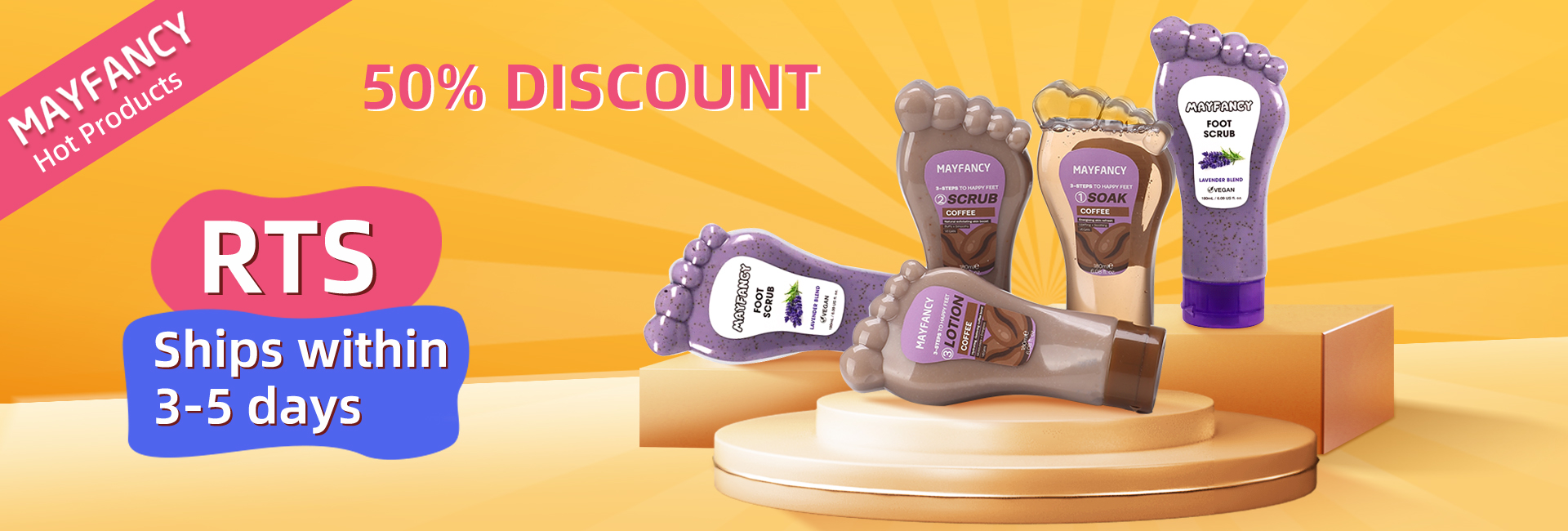
Why Experiential Marketing ROI Requires a Foot-Care-Specific Framework
The usual ways marketers measure returns just don't work when it comes to those foot scrubs people use in the shower. These products aren't like regular impulse buys at grocery stores where someone grabs something off the shelf. For foot care stuff, folks need to actually feel it while they're in their daily shower routine, and they tend to buy again after about four weeks compared to just seven days for things like body lotions. The standard numbers companies track, like how many times people scan QR codes, miss some really important details specific to this category. Packaging that stays dry in wet conditions makes customers finish trying the product 40% more often than normal. And all that steam messing around with heat maps? That throws off traditional analytics completely. A recent study from Sensory Marketing in 2024 showed that nearly two thirds of all foot scrub sales depend heavily on how the texture feels during application, which most surveys about brand awareness completely ignore. Companies that forget about practical stuff like installing products in bathrooms, how long people stay engaged with them in steamy environments, and when customers typically restock based on refill schedules are probably missing out on half their potential profits without even realizing it.
The Five-Layer Method: Tracking Experiential Marketing ROI from Awareness to Repurchase
Effective experiential marketing ROI measurement demands a layered approach. In-shower foot scrub activations require tracking not just initial interaction but how that engagement translates into sustained behavior. This five-tier framework captures the full journey from first touch to repeat purchase.
Layer 1-2: Capture Engagement & Intent (Scan-to-Survey, QR-Linked Feedback)
Getting immediate feedback from customers is important stuff, but only works if we actually understand what they need at that moment. When companies put QR codes on their sample packs, these little codes can start short surveys right after someone uses the product. These quick checks ask just a few questions about how things went during their shower time, which gives us honest thoughts and tells us if people might buy again later. We're moving past just counting how many times something gets scanned because those numbers don't tell the whole story. Instead, looking at how many people actually try out the product and whether they plan to buy it makes much more sense for evaluating our foot care samples. Take this one stat for instance: around two thirds of folks will finish giving feedback when the questions match what really happened while they were in the shower, rather than asking about vague brand feelings or opinions.
Layer 3-4: Validate Conversion & Attribution (UTM-Tagged Email Flows + POS/Loyalty Matching)
Connecting real-world experiences to actual sales results is becoming increasingly important for marketers. After events, unique tracking codes in follow-up emails help monitor when people click through to online stores. Meanwhile, physical store promotions often rely on things like NFC tags or loyalty program signups that get connected to point-of-sale systems pretty quickly after the fact, usually within two days. This approach helps figure out exactly which sales came from those specific in-person interactions, something that's been a headache for many experience-based marketing efforts. Companies that implement this kind of tracking typically see around three times better accuracy in understanding how their events actually translate to purchases at retail locations.
Layer 5: Measure Long-Term ROI (30-Day Repeat Purchase Rate, Share-of-Shelf Lift)
True ROI emerges in sustained behavior—not one-time lifts. Track repeat purchases within 30 days, aligning with the typical foot scrub usage cycle. Simultaneously, monitor share-of-shelf velocity increases in partner retailers. Campaigns correlating to 15% shelf space growth within 90 days demonstrate tangible, long-term brand impact beyond short-lived sales spikes.
Avoiding Common Pitfalls in Experiential Marketing ROI Calculation
Overreliance on Vanity Metrics (e.g., Scan Counts vs. Validated Trial)
Prioritize validated trial rates over superficial engagement numbers like QR scans. Scans confirm interest—not usage or intent. For foot scrub activations, require post-experience survey completion tied to unique sample codes to verify in-shower adoption. This reveals true conversion potential and grounds ROI analysis in behavior—not assumptions.
Ignoring Channel Lag: Why 7-Day Purchase Windows Underestimate Foot Scrub Repurchase Cycles
A 7-day measurement window misses 72% of repeat purchases for foot scrubs, which typically last 30 days. Extend tracking to 30 days using loyalty program matching—capturing full repurchase behavior and lifting ROI accuracy. Align your measurement timeline with product consumption reality, not arbitrary campaign calendars.
Proven Tactics to Maximize Experiential Marketing ROI for Shower-Based Sampling
Embedding NFC-Enabled Sample Packs with Auto-Triggered Post-Experience NPS + Offer Redemption
Adding NFC tech to those little foot scrub sample packs creates automatic engagement right after people get out of the shower. Just a quick tap of the phone against the packaging after trying the product will bring up an NPS survey and throw in a personalized discount code too. The whole system works as a closed loop, grabbing real-time feedback with timestamps and pushing customers toward actually using those discounts. We've seen this approach beat regular QR codes by about 23 percentage points in conversion rates according to CX Institute research from last year. What makes this really valuable is how it tracks exactly who tried what and then bought something later. This kind of user-specific data connection gives marketers much clearer insights when they're evaluating if their experiential campaigns are actually worth the investment.
Leveraging In-Store Shower Pods with Real-Time Heatmapping + Staff-Assisted Follow-Up
Retailers can install shower pods fitted with sensors throughout their stores to track how customers interact with products in real time. The heat maps generated show exactly where people linger longest, like those spots where shoppers spend over 40 seconds working on foot scrubs. These insights help store managers rearrange displays based on actual customer behavior instead of guesswork. When trained employees notice someone spending quality time with a product, they approach with tablets ready to sign them up for loyalty programs right there at the counter. Stores that implement this physical to digital transition see around three and a half times more interest in making purchases compared to when customers browse alone. This makes all the difference for promoting foot care products in busy beauty sections where attention spans are short.
FAQ
What is experiential marketing?
Experiential marketing involves creating immersive, engaging experiences that allow consumers to interact with a brand or product directly, rather than through traditional promotional methods.
Why is ROI tracking difficult for foot care products?
Foot care products require users to feel their effects during daily shower routines, which means traditional metrics like QR code scans miss important experiential details.
What is the 30-day repeat purchase rate?
For foot scrubs, the 30-day repeat purchase rate measures how often consumers buy the product again within a month, aligning with typical usage cycles.
How does NFC technology enhance engagement?
NFC technology automatically engages users right after product use, providing real-time feedback and personalized discount offers, which can significantly increase conversion rates.
Table of Contents
- Why Experiential Marketing ROI Requires a Foot-Care-Specific Framework
- The Five-Layer Method: Tracking Experiential Marketing ROI from Awareness to Repurchase
- Avoiding Common Pitfalls in Experiential Marketing ROI Calculation
- Proven Tactics to Maximize Experiential Marketing ROI for Shower-Based Sampling
- FAQ