
 EN
EN
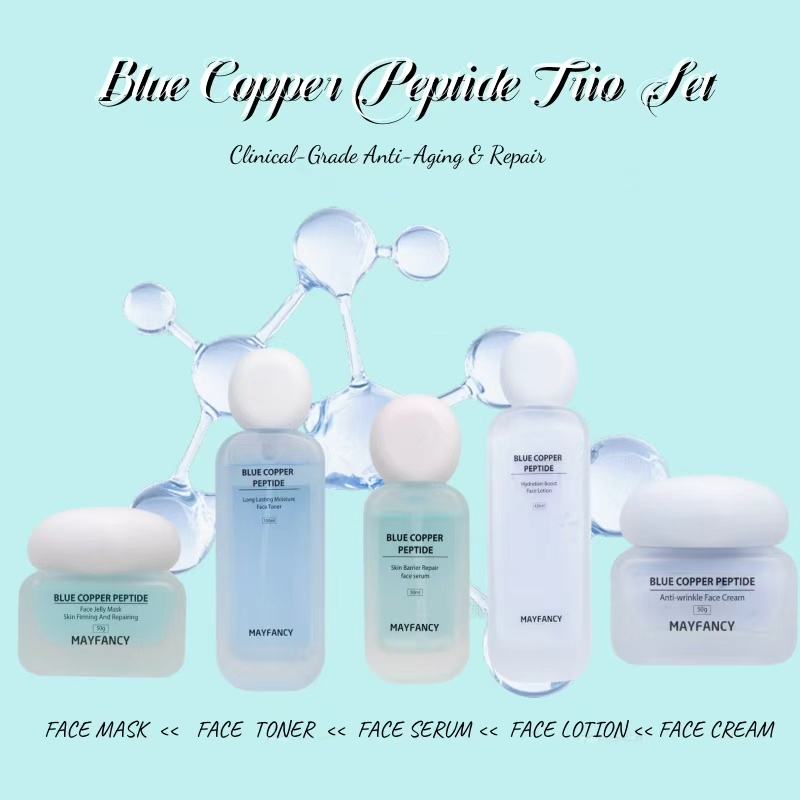
Understanding the Conflict Between Short-Term Profit and Long-Term Brand Equity in Women’s Face Cream
The Pressure for Immediate Sales in the Competitive Women's Skincare Market
Women's skincare brands are really feeling the heat when it comes to making sales fast. Most companies focus on getting money in the door right away instead of building something that lasts. There's this big conflict between wanting profits now versus creating a strong brand identity for the future. According to recent industry numbers, skincare companies that spend more than 70 percent of their marketing budget on performance ads typically see those sales jump at first. But look closer and the picture isn't so great six months down the road these same brands usually have trouble keeping customers around, with retention rates dropping below 30%. When brands go all in on this kind of strategy, face creams start looking like any other product on the shelf. And that means losing what makes them unique in a market packed with competitors trying the exact same thing.
Why Customer Lifetime Value (CLV) Matters More Than One-Time Purchases
Customer Lifetime Value or CLV basically tells brands how much money they can expect from someone who keeps coming back for more, which matters way more than looking at single sales. Take face creams for instance most people buy these products every 2 to 3 months because their skin needs change or they run out. That makes CLV super important in this market. Some studies show that if companies manage to keep customers happy enough to come back just 5% more often, their bottom line could jump anywhere between 25% and 95% according to Harvard Business Review folks. The numbers speak for themselves really recurring business is what builds lasting profits. Companies that actually focus on building long term relationships with their customers tend to see around 60% better profit margins after five years than businesses that only care about getting another sale right now.
Case Study: How a Clean Beauty Brand Prioritized Long-Term Loyalty Over Quick Wins
One major player in the clean beauty space decided to stop relying so much on discounts and instead started focusing on teaching customers and building real connections. They put their money into being completely open about what goes into their products, offering one-on-one skin advice sessions, and creating content that actually answers questions people have about whether these products really work and if they're safe. This approach helped build genuine trust over time. After about a year and a half, we saw some pretty impressive results: repeat buying went up by around 40%, while customer happiness jumped nearly two thirds. The bottom line? Their customers ended up spending way more money overall compared to other brands in the same category. Turns out when companies focus on making loyal fans rather than just pushing sales, everyone wins in the long run.
The Rise of Purpose-Driven Brands That Balance Profit with Emotional Resonance
Brands with a clear mission are changing what counts as successful in the world of skincare for women. These companies aren't just selling products anymore; they're standing for something bigger like green practices, clean ingredients, and doing good in the community. Women between 25 and 45 especially seem to get behind brands that match their own beliefs, even if it means paying extra. Recent research indicates around two thirds of this group actually look for brands with purpose first. Companies that hit this mark can often charge more for their products without losing customers, which builds strong customer bonds over time. The bottom line? When people feel connected to a brand because it shares their values, those businesses tend to stick around longer and make more money too.
Strategic Budget and Resource Allocation: Balancing Performance Marketing with Brand Building
Recommended Budget Split: Performance Ads vs. Long-Term Brand Campaigns in Skincare
Getting the right mix between different marketing approaches really matters if companies want to keep succeeding over time. Many top skincare brands tend to spend around 40 to 60 percent of what they have on things that build their brand identity. Think stuff like informative articles or stories that connect emotionally with people. The rest goes into those flashy ads that drive quick purchases. The idea here is simple enough: sure, those performance ads bring in money fast, but putting real effort into building the brand pays off big in the long run because customers start trusting them more and seeing them as unique options. Companies that stick with this balance usually see better returns on their marketing dollars after about 18 to 24 months when all that brand value starts adding up.
Resource Planning: Aligning Short-Term Revenue Goals with Long-Term Brand Vision
Good resource planning brings together what needs to happen this quarter with the bigger picture for years ahead, and it works best when different departments actually work together rather than staying isolated. Many forward-thinking companies in the beauty sector have started combining their marketing folks with sales teams so everyone is on the same page about what message gets out there and how it's delivered through various platforms. The way these mixed teams measure success isn't just about how many people buy stuff right away either. They look at things like whether customers remember the brand later on, what they think about it generally, and if they stick around for future purchases too. When brands take this holistic approach instead of chasing quick wins, they protect their long-term value while still growing in ways that can be tracked and maintained over time.
Integrated Marketing: Combining Direct Response Tactics with Brand Storytelling
The best face cream brands these days are combining sales pitches with good stories to get the most out of their marketing efforts. Instead of keeping their sale-focused ads completely separate from their bigger brand messages, they weave real-life stories about customers or what makes their brand special right into their ads that drive sales. These ads still have clear buttons to click or offers to grab. Take a look at retargeting ads for example. A brand might show a genuine customer testimonial from their latest campaign next to a deal for first-time buyers. When done right, this approach makes each marketing spend work double duty as both something that sells products and builds up the brand over time. Studies indicate these mixed approach campaigns can boost conversion rates anywhere between 25% to 40%, all while making people feel more connected to the brand.
Building Strong Brand Positioning Through Emotional and Rational Appeal in Face Cream Marketing
How Emotional and Functional Benefits Influence Women's Skincare Choices
When picking out face cream, women consider practical stuff but also what makes them feel good inside. Claims about keeping skin hydrated, protecting from sun damage, and fighting wrinkles sound sciencey enough, sure. But what really keeps people coming back? The feeling of confidence after applying it, treating oneself to some pampering time, or just feeling empowered somehow. According to some research from Nielsen, ads that hit these emotional notes work almost double better than ones that just list facts (31 percent effectiveness versus 16 percent). Brands that get this mix right understand their products need solid formulas but also stories that connect with who these women are and what they want out of life. This approach leads to customers sticking around longer and spending more over time.
Creating Lasting Connections Through Authentic Storytelling and Brand Purpose
Real stories make face cream marketing about connections rather than just selling products. These days people want brands that actually mean something beyond their products. Some companies focus on inclusion, others care about protecting nature or getting ingredients ethically. Marketing campaigns that showcase actual customer journeys work wonders. Think about those before-and-after photos showing how someone's skin improved, or posts about people choosing eco-friendly routines. Customers who feel emotionally attached tend to spend more money over time, which gives brands with strong values a real edge in competition. Brands need to weave their core beliefs into everything they do. From what appears on Instagram to what's printed on jars and boxes, consistency matters. This approach creates loyal followers who keep buying and talking about the brand naturally.
Maintaining Brand Consistency Across Messaging, Visuals, and Customer Experience
When markets get crowded, consistent branding becomes really important for standing out. If a brand's look changes all over the place, switches tones randomly, or sends mixed messages, customers start to lose that emotional connection and begin questioning whether they can actually trust the brand. Take face creams for instance. When a product says it contains hyaluronic acid that helps skin look plump, this should tie back to what the customer feels when using it, like revealing their most radiant version. Creating a smooth journey from online ads through to website visits and actual store experiences makes shopping decisions easier and builds that sense of dependability. The numbers back this up too. Brands that maintain consistent messaging across different platforms tend to grow revenues about 23% faster than those that don't. So while some might think strict branding rules are restrictive, they actually help businesses perform better now and build stronger foundations for future success.
Driving Long-Term Loyalty and Sustainable Growth in the Women’s Skincare Market
Maximizing Customer Retention and Lifetime Value (LTV) in Face Cream Brands
The best face cream companies know that keeping existing customers comes before chasing new ones for real growth. Most people buy again every two to three months, so getting someone to come back matters way more than convincing strangers to try their product. Some studies out there suggest even a small boost in customer retention rates could mean massive profit jumps somewhere between 25% and almost triple digits. How do these brands pull this off? They often go for subscriptions first, then throw in custom skincare plans tailored to individual needs, plus loyalty rewards that get better the longer someone stays with them. While building those lasting connections does create steady income, what's really valuable is when happy customers start talking about the brand to friends and family, which happens surprisingly often despite what marketers might claim.
Measuring Brand Equity to Track Long-Term Success Beyond Short-Term Sales
Success in the skincare business isn't just about what shows up on the quarterly reports. Measuring how well a brand stands out involves looking at things like customer awareness, how people perceive product quality, what comes to mind when someone thinks of the brand, and whether customers stick around for the long haul. Tools such as regular brand check-ins, those NPS surveys where folks rate how likely they are to recommend, plus scanning what people say online all help paint this picture. The Marketing Science Institute found something interesting here too brands that score high on these measures can charge prices about 20% above average while keeping their market position stable around 30% better than companies chasing quick wins. What this means is that investing time and resources into building a solid brand actually pays off in ways that show up right there in the bottom line.
Resolving the Paradox: Short-Term Profit vs. Long-Term Customer Relationships
When companies try to figure out how to make money now versus building relationships for later, they often find those two things aren't really at odds if they take a holistic approach. Look at successful skincare brands today - many of them don't just throw discounts at customers. They run targeted sales campaigns to hit quarterly targets, sure, but they also spend time creating stories around their products that resonate emotionally. Some brands even invite customers behind the scenes of their manufacturing process or share real testimonials from people who've used their products for years. The truth is, when consumers feel genuinely connected to a brand, they keep coming back again and again. That means better profits down the road as well as right now. Most marketers know this intuitively, yet somehow still get caught up trying to separate these concepts instead of seeing them as parts of the same puzzle.
FAQ
Why is Customer Lifetime Value important for women's face cream brands?
Customer Lifetime Value is vital because it reflects the total revenue a brand can expect from a customer over the lifetime of their relationship. In the face cream market, where purchases are often repeated every 2 to 3 months, focusing on CLV helps brands build lasting profits and encourages long-term customer loyalty.
How can brands balance short-term profit and long-term customer relationships?
Brands can balance these by adopting a holistic approach that combines targeted sales campaigns for immediate revenue with building emotional connections and storytelling around their products for long-term loyalty. Integrating marketing strategies also helps in achieving this balance.
What role does brand consistency play in the skincare market?
Consistency in branding helps in building trust and dependability with customers. When all elements from the visual design to promotional messages align with the brand values, it helps distinguish the brand in a crowded market, leading to better customer retention and growth in revenue.
Table of Contents
-
Understanding the Conflict Between Short-Term Profit and Long-Term Brand Equity in Women’s Face Cream
- The Pressure for Immediate Sales in the Competitive Women's Skincare Market
- Why Customer Lifetime Value (CLV) Matters More Than One-Time Purchases
- Case Study: How a Clean Beauty Brand Prioritized Long-Term Loyalty Over Quick Wins
- The Rise of Purpose-Driven Brands That Balance Profit with Emotional Resonance
- Strategic Budget and Resource Allocation: Balancing Performance Marketing with Brand Building
- Building Strong Brand Positioning Through Emotional and Rational Appeal in Face Cream Marketing
- Driving Long-Term Loyalty and Sustainable Growth in the Women’s Skincare Market
- FAQ