
 EN
EN
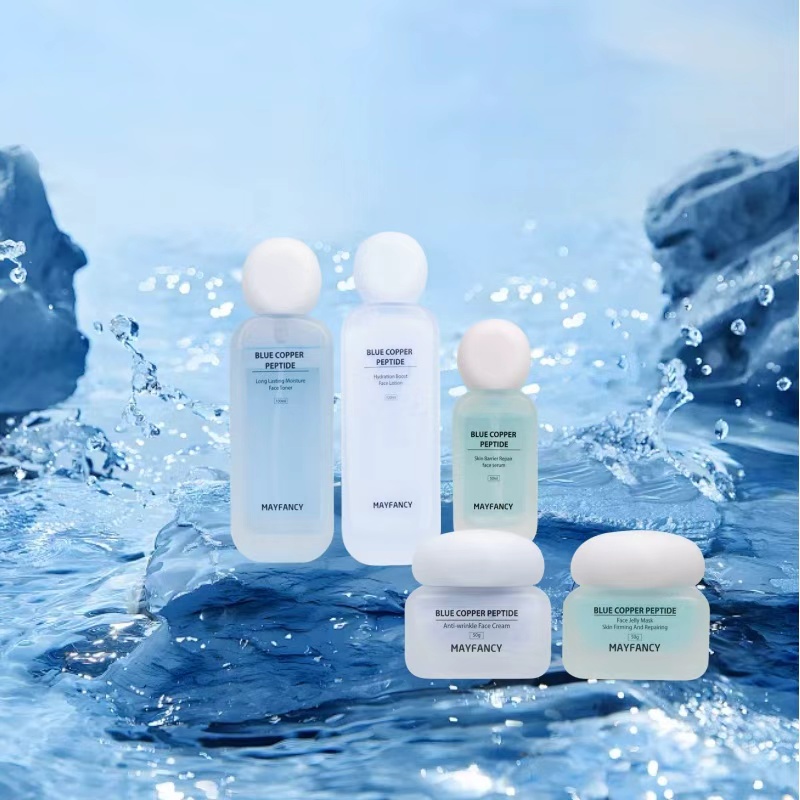
The Rise of #Bathtok and the Aestheticization of Shower Routines
How #Bathtok is redefining bathing as a visual and sensory experience
What started as simple bath time has turned into something totally different thanks to Bathtok. People aren't just washing themselves anymore but creating whole experiences that people have watched over 15 billion times on social media. The way we think about showers is changing completely these days. It's not all about getting clean anymore. For many folks, it's become this special time for themselves where looks matter just as much as how things work. Take natural shower gels for example. Nobody cares so much about what they do anymore. What really sells them now? How they look in the bathroom, how they feel when applied, those fancy scents that build up layer by layer, and definitely the packaging that makes them stand out. Bath fans love posting pictures of their setups too complete with soft lights, playlists playing in the background, and products arranged like they belong in an art gallery. These days, some people say the actual cleaning part isn't even half as important as making sure the whole thing feels amazing while doing it.
Influence of user-generated content on normalizing ritualized shower routines
People posting their own shower routines online have changed how we see these elaborate skincare steps. What used to seem like something only luxury seekers would do now feels normal for everyday folks. Regular content creators show off their multi step routines starting with double cleansing all the way through to applying moisturizer after getting out of the shower. These videos give credibility to what might otherwise look like overkill. As a result, companies are forced to come up with better products than just basic soaps and shampoos. Look at the numbers too the bath and shower market is expected to hit around 80 billion dollars by 2032. That tells us social media isn't just changing opinions it's actually shaping what gets developed and sold in stores across the world.
Viral trends and the accelerated lifecycle of natural shower gel popularity
The rise of viral trends has really shortened how long products stay popular these days. Things that used to take months to cycle through are now shifting within just a few weeks. Take natural shower gels for instance. One day everyone's talking about one because someone posted a TikTok showing off its fluffy cloud-like lather, and suddenly there's another brand claiming their version smells like a forest right after. Brands basically have no choice but to keep up with all these changes fast. They need to come up with new stuff quickly while still keeping their quality standards intact. Sure, getting into markets faster than ever before sounds great on paper, but there's a downside too. Supply chains get thrown into chaos pretty often, and customers tend to switch allegiances just as fast as trends change.
Beauty Influencers and the Redefinition of Product Credibility
How influencers shape trust in natural ingredients and brand claims
More people are turning to beauty influencers when trying to figure out what all those complicated claims mean on natural shower gel packaging. Trust is moving away from big brand ads towards what real people say online. According to Influencer Marketing Hub's 2024 report, around 8 out of 10 shoppers check what influencers have to say before making a purchase. These content creators act like middlemen between brands and customers, going through ingredient lists line by line, checking if sustainability promises hold water, and basically confirming whether products actually work as advertised. When they break down stuff like plant-based extracts, essential oils, and how different formulas are made, it makes sense of all that marketing jargon most folks can't decipher. This gives regular shoppers confidence to pick products in a market full of confusing options where not everything is as honest as it seems.
Influencer marketing strategies driving DTC natural shower gel success
Natural shower gel brands selling directly to consumers often team up with influencers to skip the usual retail middlemen and connect with real people. When influencers actually use these products in their everyday lives over time, something interesting happens. Their followers start to trust them more, which means customers are likelier to buy what they recommend compared to those quick promo deals we see all the time. The smaller influencers tend to do best at this stuff. They have these tight-knit groups of followers who care way more about honesty than fame. People just want to know if something works for regular folks, not some big star. That's why brands find these partnerships so valuable for building real relationships with customers.
Spillover of skincare trends into body care: The 'skinification' effect
What used to be special treatments just for faces is now making waves in body care too, and people are calling it skinification. Social media stars have been pushing boundaries lately, treating their shower time like a spa session. They want all those fancy stuff in their body washes what the dermatologists recommend for face products. Look at any natural shower gel these days and chances are it has something called prebiotics or ceramides mixed in there somewhere. These were once only found in expensive serum bottles sitting on bathroom counters. The whole idea behind this trend is changing how we think about washing our bodies. People expect more from their daily shower routine now, which means companies need to step up their game when it comes to what actually works and how they explain why it works.
Naturalness Under the Lens: Authenticity vs. Social Media Perception
Consumer demand for transparency in natural shower gel ingredients
Younger shoppers these days want to know exactly what goes into their natural shower gels. A recent Nielsen report found something interesting: around 9 out of 10 people actually believe what they see in real life reviews from other customers rather than those slick ads companies spend fortunes on. People aren't just looking at what ingredients are used anymore. They care about how those ingredients get sourced, what happens during production, and whether claims about being green are backed up by actual proof. Companies that don't make all this info easy to find and understand might find themselves left behind. The beauty market has shifted so much that buying based on values isn't just trendy now it's pretty much expected behavior for most consumers.
Greenwashing accusations and the credibility gap in social-first brands
Shower gel brands that grew up online face serious problems with greenwashing because social media makes everything so much more visible. People notice when companies talk about being eco-friendly but their actions tell another story. These days, if a brand's marketing doesn't match what they actually do for the environment, someone somewhere will point it out loud and fast. Instagram posts and TikTok videos often catch these mismatches, sometimes even before official reports come out. Brands that focus too much on pretty packaging and vague sustainability promises while doing little real work end up getting called out publicly. This creates trust issues that are hard to fix later on. Customers want to see actual changes and real evidence, not just nice sounding words about saving the planet.
Balancing real sustainability with marketable narratives on TikTok and Instagram
For brands wanting success on image-centric social media these days, matching real green initiatives with strong online storytelling is absolutely key. Studies indicate that when people perceive a brand as authentic, they tend to view it more favorably. Still plenty of companies find themselves stuck trying to balance high engagement numbers with actual environmental benefits. Take those top selling natural shower gels for instance. They've cracked the code by weaving in things like third party eco certifications, behind the scenes looks at where ingredients come from, and straightforward communication about what they do and don't claim. These brands show their green credentials through tangible steps such as offering product refills or running factories that emit zero carbon. This approach builds customer trust without sacrificing the kind of emotional connections that make posts get shared around.
Sensory Marketing and Emotional Engagement in Digital Campaigns
The role of scent, texture, and packaging in TikTok-driven product appeal
In today's world of TikTok and short attention spans, sensory marketing transforms everyday products into something people actually care about emotionally. For natural shower gels especially, they need to hit all the senses at once if they want to catch someone's eye while scrolling through endless content. Think about it this way: consumers are drawn to products that smell amazing, feel good when applied, and look attractive on their bathroom shelf. Brands know this well, so they focus on creating those little moments that make people stop scrolling. Creamy foams, delightful fragrances, and interesting bottle shapes all play into making these products memorable enough for someone to share online. And let's face it, when people talk about something they love, others start paying attention too. That's how brands build real connections with customers even in markets crowded with competition.
Unboxing culture and the demand for aesthetically pleasing natural shower gels
The rise of unboxing videos has made packaging an essential element in how consumers interact with products these days. People shopping for natural shower gels want them delivered in fancy boxes worth posting on Instagram that show they care about the environment. Clean design choices, stuff that can actually be recycled, and surfaces that feel nice to touch all make opening the package something special. This transforms ordinary buys into moments worth remembering. With so much unboxing content out there online, smart packaging isn't just practical anymore it's become a way to boost what people think about a product and get noticed socially as well.
Meeting expectations for instant gratification and multisensory experiences
These days, people want to feel something right away when they use products. A rich lather, amazing smell, or smooth skin feeling becomes important almost instantly, especially since everyone scrolls through their phones so fast now. For natural shower gels, getting that quick satisfaction matters a lot but they also need to fit into the whole wellness thing most folks care about nowadays. Companies that manage to give customers that initial pleasure from using their product, while still offering real benefits like keeping skin moisturized or supporting good bacteria on the skin tend to build stronger relationships with shoppers. When brands can turn regular showers into little treats instead of just another chore, they hit both the emotional side of wanting to feel good and the practical need for effective cleansing at the same time.
Brand Accountability and Strategy in the Age of Viral Backlash
Social media as a catalyst for consumer activism and brand accountability
These days, social media gives regular folks the power to call out companies when something goes wrong, and they do it right away. Just one problem, whether it's false claims on packaging or products made through shady practices, can blow up all over TikTok and Instagram, turning into major PR nightmares for businesses. For companies selling natural skincare and beauty products, trust matters most of all. Customers want honesty and quick responses when questions arise. Brands in this field can't afford to wait around anymore. They need to show they care about doing the right thing and communicate clearly from the start if they hope to keep people buying their stuff.
Building resilient branding through authenticity and social proof
When it comes to standing strong in today's digital world where everyone's watching, authenticity really matters for brands trying to stay resilient. People tend to stick with companies that actually walk the talk rather than just talking about good stuff without doing anything real about it. Brands that get this usually focus on things like genuine customer feedback from verified sources, building real connections with influencers over time instead of one-off deals, and being upfront about where materials come from and how products are made. All these factors create what we call social proof, which acts as armor against negative comments or bad press. The businesses that manage to keep their stated values consistent with what they actually do day to day don't just weather storms of criticism they end up creating something much better lasting customer loyalty that goes beyond simple transactions.
Integrating social-first strategies across digital and traditional channels
The best brands mix fast moving social media stuff with the solid feel of old school marketing channels. Take it from what we see happening now: companies post daily updates on TikTok and snap pics on Instagram to stay current with what's hot, but they also make sure all those promises get backed up properly on their actual websites, product labels, and store shelves where customers actually shop. Keeping this kind of consistency across different platforms helps avoid getting called out as fake eco-friendly claims and builds genuine trust over time. When natural shower gel makers combine fresh digital approaches with trustworthy physical presence in stores, they create lasting reputations that can survive even when some random influencer slams them online.
Frequently Asked Questions (FAQ)
What is #Bathtok?
#Bathtok is a social media trend that transforms ordinary bath time into visually and sensorially engaging experiences, often shared across platforms like TikTok.
How are beauty influencers affecting the shower gel market?
Beauty influencers drive trust and credibility by reviewing and recommending natural shower gels, shaping consumer opinions and product success in direct-to-consumer markets.
What is skinification?
Skinification is the trend of applying skincare principles and ingredients traditionally used for facial care to body care products, enhancing shower routines.
Why is authenticity important in natural shower gel marketing?
Authenticity builds consumer trust and loyalty, ensuring brand credibility and effective engagement in the competitive beauty market.
How do social media platforms affect brand accountability?
Social media acts as a catalyst for consumer activism, enabling users to hold brands accountable for their claims, shaping reputation through immediate feedback.
Table of Contents
- The Rise of #Bathtok and the Aestheticization of Shower Routines
- Beauty Influencers and the Redefinition of Product Credibility
- Naturalness Under the Lens: Authenticity vs. Social Media Perception
- Sensory Marketing and Emotional Engagement in Digital Campaigns
- Brand Accountability and Strategy in the Age of Viral Backlash
- Frequently Asked Questions (FAQ)