
 EN
EN
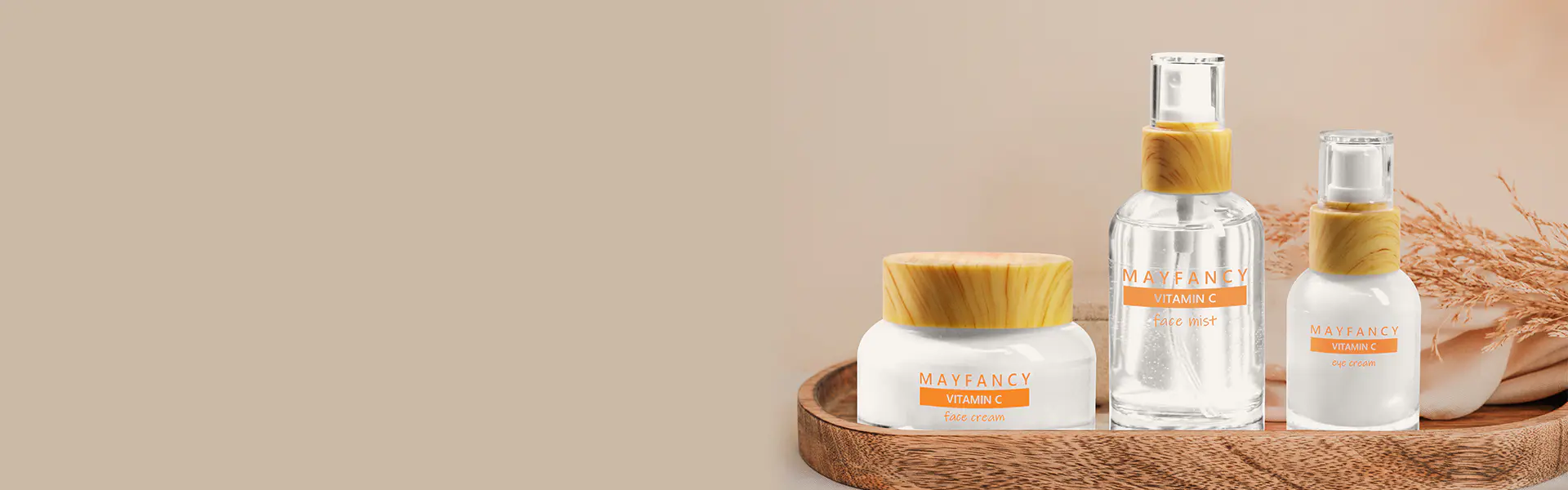
The Shift: From Overwhelmed Shopping to Curated Face Moisturizer Discovery
Retail fatigue and decision paralysis in the $9B face moisturizer market
The face moisturizer market is absolutely flooded with options these days, worth around nine billion dollars overall. Hundreds of products pop up claiming to hydrate, fight aging signs, and soothe sensitive skin. But all this variety leaves shoppers stuck in analysis mode. People end up comparing ingredients for fifteen minutes or more each time they try to buy something, constantly second guessing whether their skin type will actually work with whatever product they pick based on price alone. Many just give up after awhile and go back to what they know works, which means most never discover newer formulas that might actually help their skin better. Marketing makes things even worse when brands throw around buzzwords like ceramides and niacinamide without explaining much about them. As a result, customers walk away unsure if something will suit their particular needs or cause irritation instead.
How subscription sampling reduces cognitive load and accelerates trial-to-loyalty conversion
Skincare subscriptions break down those annoying discovery hurdles by offering personalized picks and small samples. Most services send around 3 to 5 different moisturizers each month, so customers don't have to spend hours researching which products might work for them. They get to try out high-end formulas without breaking the bank first. Studies show these kinds of services cut down mental stress related to shopping decisions by about 70%. No more standing in confusing beauty aisles trying to figure out what works best. People actually stick with tracking their skin results when using smaller amounts, which builds real confidence in what ingredients really work before splurging on full bottles. The numbers back this up too - people who start with samples end up buying full sizes about 3 times more often than with regular sampling methods. Once someone finds something that works through these trials, they tend to stick with it long term because they've already seen good results from the test run.
The Mechanism: Low-Risk Trial as the Engine of Effective Face Moisturizer Discovery
Why sample-sized actives (niacinamide, squalane, ceramides) lower barrier to consistent usage and results tracking
Getting smaller sample sizes of those important hydrating ingredients makes it possible to test them thoroughly within specific time frames without spending a fortune. People want to try out things like niacinamide if they're looking for brighter skin, squalane when their skin needs some repair work, or ceramides for sensitive areas that get irritated easily. Most dermatologists say at least two to four weeks is needed before anyone knows if something actually works. This approach helps avoid what many call the "skincare graveyard" where expensive bottles sit unused after purchase. Plus, people tend to stick with their routines better when money isn't such a big concern. Look at these numbers from actual tests done at home: about 78 percent of participants who got samples finished their trials properly, compared to only around 42 percent who had regular sized products.
Cost-per-trial economics: Comparing $20/month subscription access vs. $45+ full-size purchase risk
Subscription models transform face moisturizer discovery into predictable, low-risk expenditure. Consider the cost differential:
| Trial Approach | Avg. Cost | Products Tested Monthly | Risk of Wasted Spend |
|---|---|---|---|
| Full-size Purchases | $45+ | 0.3 | High (1 in 3 unused) |
| Skincare Subscription | $20 | 3–5 | Low (<15%) |
This economic shift explains why 68% of consumers now prefer sampling services before buying full-size moisturizers. For hydration-sensitive ingredients like hyaluronic acid or vitamin C–where formulation stability directly impacts performance–low-cost trials prevent costly mismatches and ineffective routines.
The Intelligence: How Personalization Algorithms Optimize Face Moisturizer Discovery
Skin-profile mapping: From quiz inputs to hydration level, sensitivity, and barrier-support matching
When someone takes those online quizzes about their skin type, smart algorithms actually turn those answers into pretty accurate assessments of what their skin needs. These systems look at over 15 different factors like how dry the skin is, if it tends to react badly to products, and whether the skin's protective barrier is weak somewhere. What comes out of this analysis allows for much better product recommendations. People with damaged skin barriers get suggested moisturizers packed with ceramides, those suffering from really dry skin receive products high in glycerin, and folks dealing with dull complexions or patchy color often find niacinamide based products work best for them. According to some recent studies from dermatologists in 2024, this approach cuts down on wrong product matches by almost half compared to when people just pick products themselves. The system keeps getting better too as it learns from real world results. Skin reactions to various ingredients are tracked over periods lasting around 8 to 12 weeks, which explains why many skincare brands now offer sample subscriptions as the fastest way to figure out what works best for individual skin types in a clinically proven manner.
Algorithmic bias audit: Do indie and clinical brands receive equitable representation in discovery pathways?
Third party audits are starting to take a closer look at how recommendation engines distribute brand visibility. They want to know if products backed by real science get treated the same way in algorithms as those from big corporations. Some recent research shows interesting results: independent brands show up in about 38 percent of personalized box suggestions while corporate brands dominate at around 62 percent. This has led many companies to create more transparent ways of rating ingredients instead of just going by what gets advertised most. Top services have started using fairness checks that actually consider how well products work rather than how much money their makers spend on marketing campaigns. These checks happen every three months or so since mid 2023 according to available reports. What does this mean? Well, smaller companies developing things like moisturizers that help balance skin microbes or special ceramide mixes for people with eczema can finally reach customers who need them through regular shopping experiences, not just specialty stores.
The Impact: Subscription-Driven Growth of Niche Face Moisturizer Categories
The rise of subscription boxes has completely changed how people find new face moisturizers, making it much easier for specialty products to get noticed. Back when stores only gave about 15% of their shelves to specific ingredients or clinical formulas before 2020, these curated beauty boxes started putting things like ceramide serums, plant-based bakuchiol creams, and those special gels that balance skin's microbiome right into customers' hands. What we're seeing is something pretty interesting happening in the market too. Brands focused on repairing skin barriers are getting into stores three times quicker through these subscription samples compared to regular product launches. The convenience factor works wonders too - most folks end up buying full size versions of products they've never heard of before within just three months of trying them out. And this trend isn't stopping at consumer behavior alone. Suppliers are investing way more money now in developing new ingredients like ectoin and extracts from tamarind seeds because they know there's going to be demand driven by these subscriptions. People want stuff tailored specifically for their needs nowadays, whether that means protection against city pollution, sensitive skin conditions like rosacea, or healing after dermatological treatments. It creates this great feedback loop where discovering new products leads to more innovation, which then makes even more discoveries possible. Small independent formulators are getting their chance to shine next to big lab names too, shaking up the $36 billion moisturizer market and giving consumers better access to scientifically backed skincare options than ever before.
FAQ
Why is the face moisturizer market overwhelming for shoppers?
The face moisturizer market offers a vast array of options, leading to decision paralysis for shoppers. With countless products claiming various benefits, shoppers often feel stuck in analysis mode, unsure which products will suit their skin types.
How do skincare subscriptions help ease the buying process?
Skincare subscriptions simplify the buying process by offering personalized selections and sample-sized products. They allow consumers to try different moisturizers without extensive research, reducing cognitive load and enabling better decision-making.
Why are sample-sized products effective in skincare trials?
Sample-sized products allow consumers to test moisturizers without financiala risk. These sizes make it possible to try multiple formulas and observe results over weeks, enhancing confidence in the chosen products.
How do personalization algorithms improve product recommendations?
Personalization algorithms analyze consumers' skin profiles, considering factors like hydration levels and sensitivity. These analyses lead to more accurate product recommendations, ensuring that individuals find the most suitable moisturizers for their needs.
Table of Contents
- The Shift: From Overwhelmed Shopping to Curated Face Moisturizer Discovery
- The Mechanism: Low-Risk Trial as the Engine of Effective Face Moisturizer Discovery
- The Intelligence: How Personalization Algorithms Optimize Face Moisturizer Discovery
- The Impact: Subscription-Driven Growth of Niche Face Moisturizer Categories
- FAQ