
 EN
EN
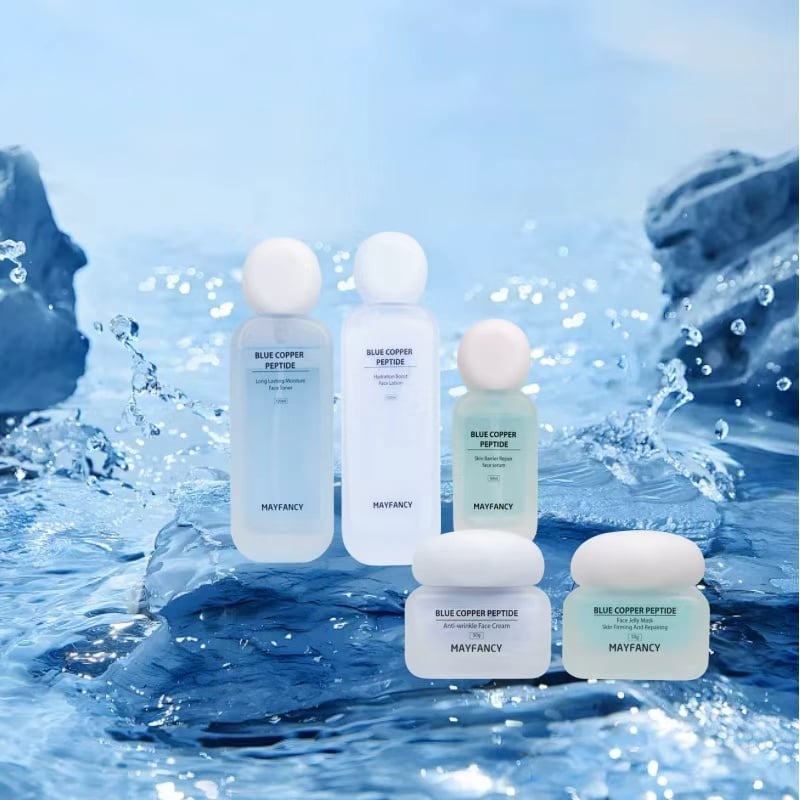
What 'Clean Label Skincare' Really Means: Defining Standards Beyond Marketing
The clean label movement in skincare isn't just another marketing gimmick. It stands on three main principles really: keeping ingredients simple, being completely transparent about what goes into products, and following strict safety checks. The whole idea is about using fewer ingredients that people can actually recognize instead of those complicated chemical mixtures found in most beauty products. Brands have to tell customers exactly where their stuff comes from and how it's made something regular cosmetics often fail at since nearly half contain hidden contaminants according to a 2023 report by the Environmental Working Group. Clean labels also get rid of harmful substances like phthalates and parabens through independent testing. And this matters because research shows that almost all cosmetic ingredients haven't been studied enough to know if they're safe in the long run.
Clarifying the Core Pillars: Ingredient Simplicity, Transparency, and Safety
Clean label products really begin with keeping ingredients simple. Most formulas try to stick under 15 different components whenever feasible. This approach cuts down on potential allergens and means we don't need so many processing helpers. When it comes to transparency, brands are going way beyond just listing ingredients according to INCI standards. Good companies actually tell customers how they extract their materials, what concentrations they use, and whether suppliers have proper ethical certifications. For safety, manufacturers avoid hundreds of restricted substances listed by organizations such as COSMOS and EWG Verified. Testing batches for heavy metals and checking for microbes isn't just good practice anymore it's pretty much standard across the industry these days.
Why INCI Names Alone Aren’t Enough — The Role of Functional Clarity and Full Disclosure
The INCI naming system helps everyone identify ingredients consistently, though it doesn't really tell us what they do or where they come from. Take glycerin for instance we just don't know if it came from plants or petroleum products. The clean label movement in skincare wants things spelled out clearly in regular language. Instead of seeing something like "coco-glucoside" on the back of a product, shoppers would prefer to read "emulsifier derived from coconut oil." Also important is knowing exactly how much of each active ingredient is actually present. This matters because some companies hide synthetic additives under fancy sounding names that sound all natural. When people can actually understand what's in their skincare products, they're better equipped to choose options that won't harm their skin.
Formulating for Clean-Label Skincare: Balancing Efficacy, Stability, and Ingredient Integrity
Replacing Problematic Preservatives and Surfactants Without Compromising Performance
When companies decide to ditch synthetic preservatives like parabens and sulfates, they need to find good replacements that still keep products safe and working properly. Some natural options have shown pretty impressive results. Radish root ferment mixed with glycerin blends can stop microbial growth about 98% of the time, especially when paired with stuff like rosemary extract that fights oxidation too. Looking at surfactants, there are amino acid based choices now, sodium cocoyl glutamate being one example, which lathers well without causing skin irritation something really important for making truly non-toxic skincare products. The tricky part comes with stability testing. Most labs run accelerated tests at around 45 degrees Celsius for 12 weeks straight. Why? Because roughly 40% of these natural formulas end up failing either their pH balance or texture stability if they skip this step. So while keeping ingredients simple sounds great on paper, manufacturers must make sure that simplicity doesn't mean compromised quality in actual use.
Case Study: Reformulating a Hyaluronic Acid Serum to Meet EWG VERIFIED™ & COSMOS Criteria
One major skincare company recently revamped their hyaluronic acid serum, swapping out phenoxyethanol for a natural alternative combination approved by COSMOS standards sodium levulinate paired with anisic acid. They managed to keep the same impressive 36 month shelf life thanks to some clever microencapsulation tech work. When they first took away those synthetic polymers, the serum got quite runny about 30% thinner actually. But then they added xanthan gum back into the mix and tweaked the size of hyaluronic acid molecules, which brought everything back to where it needed to be in terms of feel. The end result? No synthetic stuff at all, yet the moisturizing power stayed exactly the same as before. Independent labs checked things out too, finding that heavy metals were well below the EWG's strict limits (less than 0.1 parts per million) and showing that around 95% of the product breaks down naturally over time. What this shows is pretty remarkable really sustainable skincare doesn't have to compromise on quality just because it wants to meet those tough green certifications.
Navigating Clean-Label Skincare Regulations and Claims Substantiation
FDA, EU, and Canadian Requirements: Key Differences in Labeling, Allergen Disclosure, and 'Free-From' Claims
When it comes to clean label skincare formulations, companies face quite a challenge because they need to follow different rules depending on where their products are sold. In the United States, the FDA has strict guidelines for any product that makes claims about treating diseases, basically categorizing those items as drugs instead of cosmetics. Things work differently across Europe under Regulation EC No 1223/2009 which not only requires specific ingredient labeling through INCI names but also limits what manufacturers can say about being "free from" certain substances unless there's solid evidence behind those statements. Meanwhile in Canada, products must be labeled in both official languages and list more than thirty potential allergens for consumer safety. All these regulatory variations mean that beauty brands have to approach claim substantiation in very distinct ways when operating internationally.
| Regulation Body | Labeling Requirements | Allergen Rules | 'Free-From' Claim Restrictions |
|---|---|---|---|
| FDA (U.S.) | Drug claims trigger OTC rules | Voluntary disclosure | Must avoid therapeutic implications |
| EU | INCI + warning symbols | 26 mandatory allergens | Requires proof of absence & relevance |
| Health Canada | English/French bilingual | 30+ disclosed allergens | Prohibited without third-party verification |
In 2023, problems with regulatory standards led to skincare product recalls costing around $2 million worldwide because labels contained incorrect information. Companies need to back up their marketing claims such as "won't irritate skin" or "doesn't clog pores" with actual clinical tests including patch tests and comedogenicity assessments. Regulatory bodies are cracking down harder on brands making false promises these days. For businesses operating internationally, keeping detailed records about where ingredients come from and how stable products remain during shelf life isn't just good practice anymore it's practically necessary if they want to avoid being accused of misleading consumers about eco-friendly credentials.
Building Credibility: Certifications, Testing, and Transparent Communication
Comparing Top Clean-Label Skincare Certifications — Rigor, Cost, and Consumer Recognition
When it comes to picking between certifications such as EWG VERIFIED™ versus COSMOS (which stands for Cosmetic Organic and Natural Standard), businesses need to weigh several factors including how strict the requirements are, what it will cost them, and whether consumers actually recognize and value the certification. The level of stringency differs quite a bit across different programs. Some demand regular visits to facilities for inspections plus testing each production batch, whereas other options might just ask for paperwork checks instead. What does all this cost? Well, companies can expect to pay anywhere between two thousand dollars up to fifteen grand annually, though prices jump around based on how often auditors show up and how complicated their products happen to be. And let's face it, consumer perception matters a lot here too. Recent surveys indicate that roughly seven out of ten shoppers place greater faith in labels backed by independent verification rather than claims made directly by brands themselves.
| Certification Aspect | Key Considerations | Impact on Trust |
|---|---|---|
| Rigor | On-site audits vs. documentation review | Higher scrutiny = 34% more credibility |
| Cost | $2k-$15k annual fees + reformulation costs | Premium positioning offsets investment |
| Recognition | Logo recognition in target markets | Top certifications drive 50% faster shelf decisions |
Brands should select certifications aligned with their clean label skincare values and distribution channels. Leading certifiers publish transparent standards—reviewing their testing protocols and stakeholder input processes before applying strengthens both compliance and consumer confidence.
FAQ Section
What does 'clean label skincare' mean?
Clean label skincare refers to products that prioritize simple, recognizable ingredients, complete transparency about their formulations, and rigorous safety standards.
Why is ingredient simplicity important in clean label skincare?
Ingredient simplicity helps reduce potential allergens and unnecessary processing aids, thereby offering safer and more effective skincare solutions.
How does clean label skincare differ from regular cosmetics?
Unlike regular cosmetics, clean label skincare reveals where ingredients come from, how they're processed, and eliminates harmful substances like phthalates and parabens through independent testing.
What role do certifications play in clean label skincare?
Certifications like EWG VERIFIED™ and COSMOS ensure rigorous testing and transparent communication, making them crucial for building consumer trust and credibility.